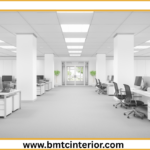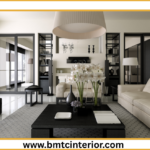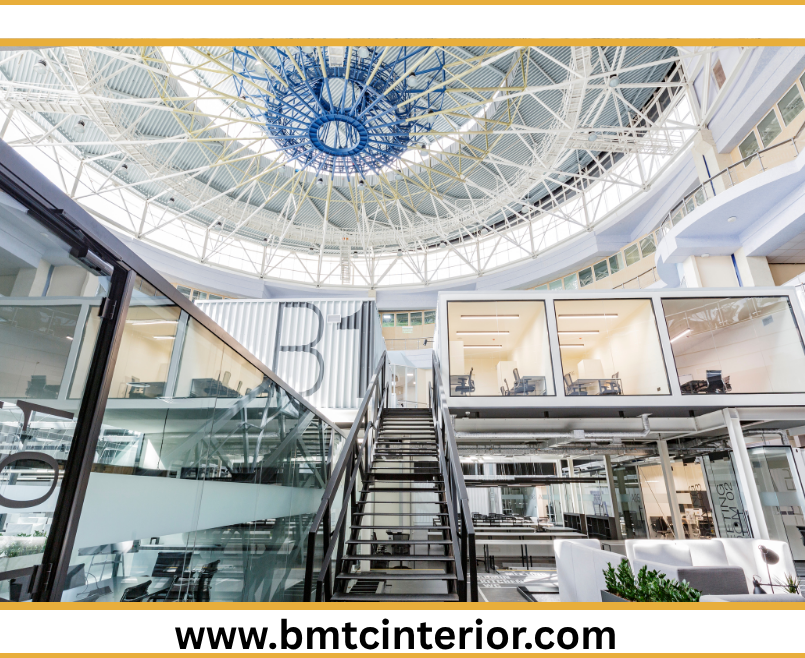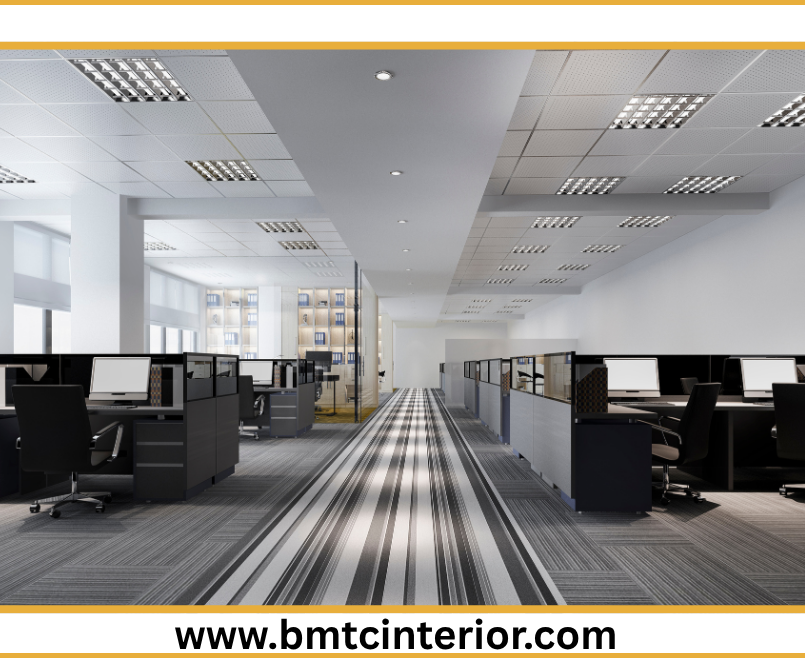
Oman’s business landscape is transforming at an unprecedented pace. With Vision 2040 driving economic diversification across sectors, from logistics and tourism to technology and finance, the demand for modern, professional commercial spaces in Muscat, Seeb, Sohar, and other cities is higher than ever before. For businesses looking to establish a strong presence in the Sultanate, commercial interior design has evolved from a cosmetic consideration into a strategic business imperative.
The numbers tell the story. Oman’s commercial construction market was valued at USD 21.5 billion in 2024 and is projected to reach USD 26.82 billion by 2030. Non-oil activities expanded by 4.4 percent in early 2025, creating broad-based growth that spreads opportunity through supply chains, services, and skills. In this environment, The quality of your commercial interior directly impacts how your brand is perceived, how your teams perform, and ultimately, how your business grows.
What Is Commercial Interior Design in Oman?
Commercial interior design refers to the professional planning, design, and execution of interior spaces used for business purposes. Unlike residential design—which prioritizes personal comfort and lifestyle—commercial design must balance aesthetics with functionality, safety regulations, brand identity, and workflow efficiency.
In the Omani context, commercial interior design covers a broad range of spaces:
- Corporate offices and open-plan workspaces — headquarters, branch offices, co-working areas
- Executive suites and boardrooms — high-end meeting spaces for senior leadership
- Retail showrooms and shops — display-focused interiors that drive customer engagement
- Restaurants, cafés, and hospitality spaces — F&B interiors that create memorable dining experiences
- Healthcare and education facilities — functional, compliant, and welcoming environments
- Hotel lobbies and commercial reception areas — first-impression spaces that communicate brand quality
The key distinction in Oman is the regulatory layer. Commercial interior projects must meet strict Muscat Municipality and Civil Defence (PACDA) approvals, integrate advanced MEP systems, and be executed on tight timelines—especially in high-demand commercial zones like Ruwi, Al Khuwair, Seeb, and Sohar.
Why Commercial Interior Design Matters for Business Growth in Oman
1. First Impressions Define Client Relationships
When a potential client walks into your office for the first time, your interior communicates your company’s professionalism, attention to detail, and financial credibility—before a single word is spoken. A cluttered, poorly lit, or outdated reception area can undermine months of sales and marketing effort. In Oman’s competitive business environment, where relationships and trust are paramount, your physical space speaks volumes.
2. Workspace Design Directly Impacts Employee Performance
Research consistently shows that well-designed commercial spaces increase employee productivity by up to 20% and reduce staff turnover significantly. Employees in well-designed offices report higher job satisfaction, better focus, and lower absenteeism. In Muscat’s competitive talent market—particularly in the oil & gas, banking, and technology sectors—a well-designed office is a genuine recruitment and retention tool.
3. Brand Identity Must Extend to Physical Space
Your office is a three-dimensional expression of your brand. The colors, materials, signage, and spatial layout of your workspace should align with your brand guidelines, values, and market positioning. Modern commercial interior design embraces “brand drenching”—using bold colors and unique patterns to showcase brand personality throughout the workspace.
4. The Turnkey Advantage for Business Efficiency
Commercial interior projects in Oman are no longer about aesthetics alone. Fragmented design-and-build models create coordination failures that delay projects and trigger compliance rejections. A turnkey commercial interior contractor places full responsibility—from concept design and authority approvals to MEP engineering, civil works, joinery, signage, and final handover—under one accountable partner. This approach ensures projects are delivered on time, on budget, and with uncompromising quality.
Top Trends Shaping Commercial Interior Design in Oman
1. Biophilic Design and Sustainability
Nature is now a standard feature in commercial interiors. Living walls, wood finishes, and large windows help teams feel more relaxed and focused. Sustainable and eco-friendly designs are key trends in the Omani market, reflecting the country’s rich heritage while meeting evolving needs. Energy-efficient systems, smart lighting, and digital integration are increasingly expected in modern commercial spaces.
2. Flexible and Modular Workspaces
The era of rigid cubicles is over. Flexible furniture and multi-use spaces are now the norm, saving space and working well for hybrid teams. Modern commercial spaces must adapt to changing work patterns, accommodating both collaborative work and focused individual tasks within the same footprint.
3. Smart Technology Integration
Smart offices are on the rise in Oman. Features like automatic lighting, climate control, occupancy-based HVAC management, structured cabling, and integrated security systems make spaces more comfortable, secure, and efficient. Technology integration must happen at the infrastructure level, not as an afterthought.
4. Bold Colors and Brand Expression
Say goodbye to plain, neutral palettes. Bold colors and unique patterns are in, allowing businesses to showcase their brand personality throughout their physical space. Textured walls and ceilings, wood panelling, and decorative plaster finishes are defining 2025 design trends in Oman.
5. Experiential Retail Environments
Modern shoppers expect more than shelves and product displays—they want experiential retail environments that combine architecture, technology, and brand storytelling. Premium retail districts such as Al Mouj, Mall of Oman, and Avenues Mall are pushing retailers to create showrooms that feel more like curated experiences than traditional stores.
Choosing the Right Commercial Interior Design Partner in Oman
Selecting the right design partner requires more than liking their 3D renders. Oman’s regulatory and environmental conditions demand a deeper evaluation.
What to Look For:
Experience and Track Record: Look for firms with proven experience in projects similar to yours. A restaurant expert may not be the right choice for a corporate office or bank. The best firms in Oman have 15+ years of GCC expertise and a portfolio that spans multiple sectors.
Regulatory Expertise: This is the most overlooked factor by clients. Your design partner must understand Muscat Municipality requirements, Civil Defence (PACDA) fire safety codes, fire alarm zoning, emergency lighting, egress requirements, and structural modification permits. Without PACDA-compliant drawings, your project cannot legally open.
In-House Capability: The best commercial interior companies operate their own joinery workshops, metal fabrication units, and signage production facilities. This ensures faster timelines, better quality control, and lower outsourcing risk.
Multidisciplinary Team: A reliable commercial interior partner must have architects, interior designers, MEP engineers, civil engineers, site supervisors, and skilled technicians working together. This ensures that designs are buildable, compliant, and cost-efficient.
The Business Case for professional commercial interior design
Investing in professional commercial interior design delivers measurable returns. Research shows that well-designed commercial spaces increase employee productivity by up to 20%. For client-facing businesses in Muscat, a professionally designed office can directly increase conversion rates and client trust.
In Oman’s rapidly evolving market, the demand for high-quality commercial interiors continues to grow. The interior design services market is forecast to grow at 8.5% to over 10% annually, with the number of active projects rising sharply year-on-year. Businesses that invest in their physical spaces now are positioning themselves for long-term success in an increasingly competitive landscape.
Frequently Asked Questions
What is the difference between residential and commercial interior design?
Commercial design focuses on public or business spaces with a heavy emphasis on safety regulations, durability, and brand identity. Residential design is tailored to personal lifestyle and comfort.
How long does a typical corporate office redesign take?
Depending on the scale, a commercial project can take anywhere from a few months to over a year, covering phases from 3D visualization to final fit-out.
Can interior design really help with employee retention?
Yes. High-growth firms are using strategic design as a competitive edge. Human-centered spaces reduce burnout and improve job satisfaction.
Is sustainable interior design expensive to maintain?
While some features require upkeep, many firms now offer low-maintenance solutions such as preserved moss or smart irrigation systems that pay for themselves through improved air quality and increased employee focus.
Ready to Transform Your Commercial Space?
Oman’s commercial real estate sector is growing at an unprecedented pace—and businesses that invest in professional commercial interior design are gaining a measurable edge in talent retention, client impressions, and operational efficiency. Whether you are setting up a new corporate headquarters, renovating an outdated office, or launching a new retail showroom, the quality of your commercial interior design directly impacts your business growth.
With 15+ years of experience and over 500 successful projects delivered across Muscat, Seeb, Sohar, and Salalah, professional commercial interior design firms like BMTC Interior Design & Fitouts bring the technical expertise, regulatory knowledge, and turnkey execution capability that Omani businesses need to succeed.