Transform Your Shop interior design in Muscat with Smarter Product Display
In Muscat’s increasingly competitive retail landscape, how you display your products can be the difference between a browser and a buyer. The majority of retail spend in Oman still happens in physical stores, with malls serving as community anchors and retail space expansion picking up pace across the Sultanate. This means the in-store experience matters more than ever before.
Shop interior design in Muscat has evolved beyond aesthetics into a strategic tool for driving sales. Research confirms that visual merchandising elements—thoughtful store layouts, attractive packaging, eye-catching signage, and well-organised product displays—are highly effective in influencing consumer buying behaviour. When customers feel emotionally connected to a retail space, they stay longer, spend more, and return more often.
At BMTC Interior Design & Fitouts, we have spent over 15 years helping retail businesses across Muscat, Seeb, Boushar, Qurum, and Al Khuwair create shop interiors that showcase products effectively and drive measurable sales growth. Established in 2008, BMTC has built a reputation as a trusted commercial interior contractor, delivering turnkey retail solutions from concept to completion.
This guide provides practical shop interior design tips for better product display—proven strategies that leading retailers in Oman are using to attract customers, increase dwell time, and boost sales.
Why Smarter Product Display Drives Retail Success in Oman
First Impressions Happen in Seconds
A customer forms an opinion about your shop within moments of approaching. Your window displays, product presentations, and overall store layout communicate quality and brand values instantly. In Muscat’s competitive retail environment, effective product display can stop foot traffic and draw customers inside before they even consider alternatives.
Visual Merchandising Directly Influences Buying Behaviour
Research conducted in Oman confirms that visual merchandising plays the largest role in influencing consumer behaviour and buying decisions in retail stores. Elements like colour palette, layout design, lighting, signs, and arrangement of goods all shape customer attention and purchase intent. The way you present your products directly impacts whether customers buy—and how much they spend.
Physical Retail Remains the Foundation of Omani Shopping
Despite e-commerce growth in the Sultanate, the majority of retail spending continues to happen in physical stores. Online retail revenues are projected to grow significantly, yet physical stores remain the primary shopping destinations and community anchors. This means investing in your shop interior and product display is more important than ever for attracting and retaining customers.
Brand Identity Comes Alive Through Display
Your product displays are a three-dimensional expression of your brand. The way you present products communicates your brand values, quality standards, and market positioning. Professional retail interior design in Oman ensures every display element reinforces your brand story and creates a cohesive shopping experience.
Compliance Enhances Customer Confidence
All retail fitouts in Muscat must comply with Muscat Municipality and Civil Defence (PACDA) regulations. Professional retail design firms like BMTC understand these requirements and handle all necessary approvals, ensuring your shop meets safety standards. Customers notice when a space is well-maintained and compliant—it builds trust and confidence in your brand.
Expert Shop Interior Design Tips for Better Product Display
1. Create Strong Focal Points That Stop Traffic
Visual highlights catch the eye and draw customers into your store. Whether in the shop window or at strategic hotspots inside the store, strong focal points guide customer attention to your most important products.
Implementation Strategies:
- Position hero products at natural eye level (90-120cm from the floor)
- Use feature lighting to spotlight key items and create drama
- Create themed displays that tell a compelling story
- Place best-sellers at the end of sightlines to draw shoppers through the store
- Use contrast and colour to make focal points stand out
Why It Works: Every store needs visual anchors that stop customers and draw them toward featured products. Without focal points, customers may walk past without noticing your key offerings.
2. Leverage Vertical Space for Maximum Product Exposure
In shops of all sizes, the easiest way to gain display square footage is upward. Using tall, well-anchored shelving lets you expand product displays without crowding floor traffic.
Implementation Strategies:
- Choose sturdy shelving systems that maximise vertical capacity
- Place bulkier products on lower shelves and hero items at eye level
- Use vertical merchandising to widen the customer’s field of view
- Ensure displays don’t block customer flow or cause crowding
- Consider custom joinery for unique vertical display solutions
Why It Works: Vertical merchandising increases product visibility without sacrificing valuable floor space, allowing you to showcase more products in the same footprint.
3. Master Lighting Design for Product Highlighting
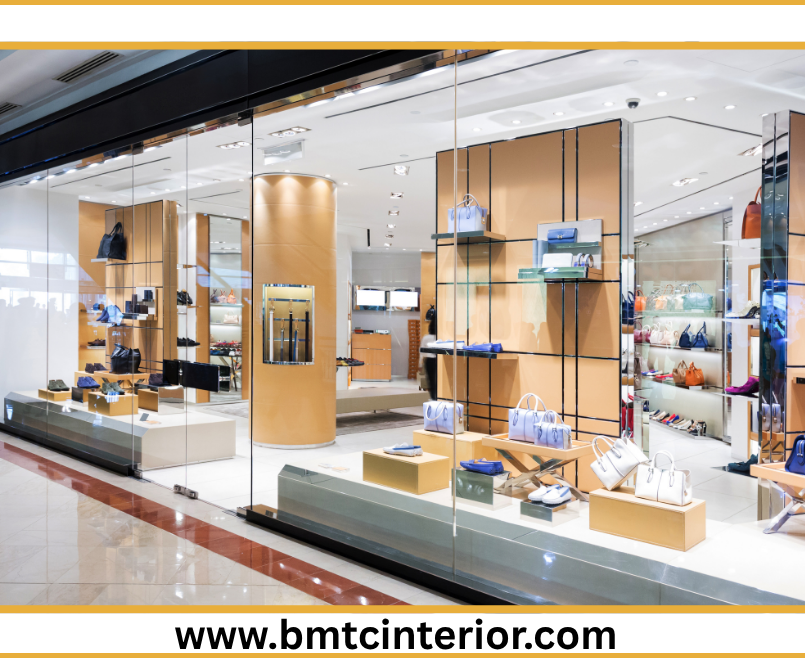
Lighting is one of the most powerful tools for product display. Illuminated shelf inserts direct the eye and showcase products effectively, even without additional decoration. Backlighting creates depth and atmosphere, making products appear more attractive and valuable.
Implementation Strategies:
- Use accent lighting to spotlight hero products and create drama
- Incorporate backlighting to create depth and visual interest
- Ensure consistent colour temperature throughout the store
- Light products are as if they are worth the investment
- Use warm lighting for comfort and cool lighting for modern appeal
Why It Works: Strategic lighting makes products look more appealing, guides customer attention, and creates the right emotional atmosphere for shopping.
4. Group Products with Purpose and Intention
How you group products significantly impacts customer perception and purchase decisions. Grouping should be intentional—by brand, function, theme, or colour.
Implementation Strategies:
- Group products creatively to tell a visual story
- Use a base colour with one or two accent colours in every display
- Keep enough space between products for easy handling—tight displays lead to spills or damage
- Create 360-degree displays that are balanced and shoppable from all angles
- Group complementary products together to encourage add-on purchases
Why It Works: Purposeful grouping makes products more appealing, easier to shop, and encourages cross-category purchasing.
5. Use Front-Facing Product Presentation
Always display products with their front facing forward for clear visibility. This simple technique ensures customers can see products clearly and makes the display look organised and professional.
Implementation Strategies:
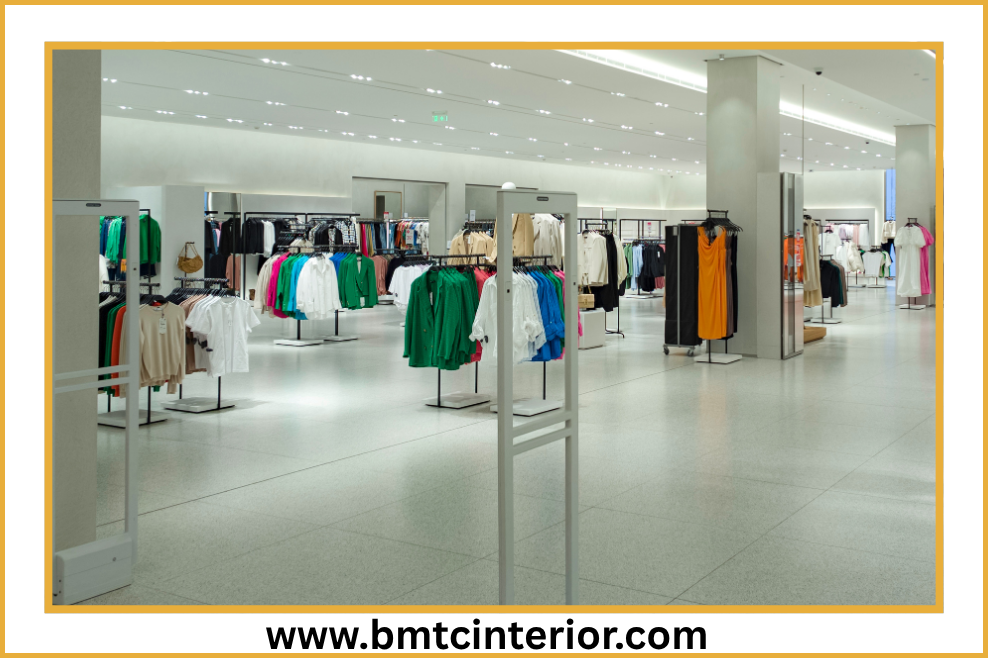
- Train staff to “face up” displays during quiet periods throughout the day
- Ensure product labels and branding are clearly visible
- Maintain consistent presentation standards across all displays
- Check displays regularly and refresh as needed
Why It Works: Front-facing displays look more professional, make products easier to browse, and help customers find what they’re looking for quickly.
6. Apply Colour Psychology Strategically
Colour plays a significant role in attracting customer attention and influencing mood. When designing product displays, colour coordination is essential for creating visual appeal and reinforcing brand identity.
Implementation Strategies:
- Stick to one base colour and use one or two accent colours in every display
- Use contrasting colours to make products stand out
- Consider using a black background with bright products in front for a dramatic effect
- Align colour choices with your brand identity and target market
- Use warm colours for comfort and cool colours for sophistication
Why It Works: Strategic colour use makes displays more visually appealing, reinforces brand identity, and influences customer mood and behaviour.
7. Design from the Customer’s Perspective
Effective shop interior design requires seeing your space from the customer’s point of view. What catches their eye? And what confuses them? What makes them want to stay?
Implementation Strategies:
- Keep taller displays towards the back and smaller displays towards the front
- Ensure clear sightlines throughout the store
- Place important products at natural hand-reach height (90-120cm) for easy access
- Test your layout by walking through as a customer would
- Ask for customer feedback on your displays
Why It Works: Designing from the customer’s perspective creates a seamless, intuitive shopping experience that reduces frustration and increases satisfaction.
8. Create a Rotating Discovery Corner
A dedicated spot where current assortments are regularly refreshed keeps the shopping experience fresh and encourages repeat visits. Customers love discovering new things.
Implementation Strategies:
- Designate a specific area for rotating displays
- Update displays seasonally or with new arrivals
- Use this space to feature promotions, new products, or limited-time offers
- Keep the discovery corner visually distinct from the rest of the store
- Create anticipation by regularly changing what’s featured
Why It Works: Regular display updates give customers a reason to return, explore, and discover new products they might have missed.
9. Integrate Digital Elements Strategically
Modern retail environments are incorporating digital touchpoints to enhance product display and customer engagement. Digital signage can complement physical displays and create seamless omnichannel experiences.
Implementation Strategies:
- Use digital screens to showcase product information and promotions
- Ensure screens are at eye level for maximum visibility
- Use contrasting colours, striking imagery, and clear typography
- Bridge the gap between shoppers’ virtual and in-store worlds
- Use digital displays for interactive product demonstrations
Why It Works: Digital integration enhances product display, provides valuable product information, and creates a modern, tech-savvy shopping experience.
10. Invest in Quality Display Furniture
Furniture such as presentation tables, sales stands, and shelving systems support effective product presentation. Modern changing rooms and comfortable seating also contribute to a customer-friendly interior design.
Implementation Strategies:
- Choose display furniture that complements your brand aesthetic
- Use glass showcases to highlight premium or high-value products
- Ensure display furniture is functional and durable
- Consider custom joinery for unique display solutions
- Choose materials that are easy to clean and maintain
Why It Works: Quality display furniture elevates product presentation, enhances the customer experience, and communicates investment in your brand.
11. Use Signage for Navigation and Information
Clear, attractive signage helps customers navigate your store and understand product information. Signage should be visible, legible, and consistent with your brand identity.
Implementation Strategies:
- Use signage to guide customers through your space
- Ensure signage is visible from a distance
- Use consistent fonts and colours across all signage
- Include pricing and product information clearly
- Use signage to highlight promotions and special offers
Why It Works: Effective signage improves navigation, provides valuable product information, and supports the customer journey.
12. Refresh and Adapt Regularly
Product displays should not be static. Regular updates keep the shopping experience fresh and give customers reasons to return. Seasonal changes, new arrivals, and promotional campaigns should all be reflected in your displays.
Implementation Strategies:
- Schedule regular display audits and updates
- Plan seasonal display changes in advance
- Use promotions to drive traffic to specific displays
- Track what works and what doesn’t
Why It Works: Regular display refreshment keeps the store feeling current, exciting, and worth visiting repeatedly.
BMTC’s Shop Interior Design Services for Better Product Display
Retail Store Design and Fitout
Effective retail store design in Muscat balances product display, customer flow, and regulatory compliance. BMTC delivers end-to-end retail fitout solutions that transform empty spaces into sales-driving destinations.
Our retail design services include:
- Strategic store layouts that optimise product visibility and customer flow
- Custom shelving and display systems designed for your specific products
- Lighting design that highlights products and creates the right atmosphere
- A window display and shopfront design that stops foot traffic
- Custom joinery and millwork for display units, shelving, and counters
- Brand integration through custom signage, colour schemes, and material selection
- Turnkey fitout solutions covering civil works, MEP, joinery, and branding
Showroom Design and Luxury Retail Spaces
For premium brands and luxury retailers, product display must reflect quality and exclusivity. BMTC’s services include premium material selection, feature lighting, spatial storytelling, and custom furniture solutions.
Shop Signage and Branding
Your shop sign and in-store signage are critical for product display and customer navigation. BMTC designs and installs high-quality custom signage that ensures your brand stands out.
Retail Renovation and Refurbishment
For businesses looking to modernise existing spaces and improve product display, BMTC delivers comprehensive retail refurbishment services that breathe new life into tired interiors.
Cities We Serve Across Oman
Shop Interior Design in Muscat
As the capital and largest city, Muscat hosts everything from luxury boutiques in Qurum to high-street retail in Al Khuwair and traditional commercial districts in Ruwi. BMTC’s experience spans the entire metropolitan area.
Retail Fitout in Seeb, Boushar, Qurum and Al Khuwair
Seeb has experienced growing commercial activity, creating strong demand for professional interior design services. Boushar has emerged as a significant commercial destination with increasing retail projects. Qurum reflects prestige and business sophistication, while Al Khuwair remains one of Muscat’s premier commercial corridors.
Beyond Muscat, BMTC serves clients across Oman, including Sohar, Sur, and Nizwa.
BMTC Interior Design & Fitouts
Way No 4551, Lamar Business Center, Al Ghubrah St, Muscat 111
📞 +968 9723 9729
📧 sales@bmtcinterior.com
BMTC’s End-to-End Shop Design Process
Step 1: Site Visit and Product Analysis
Every project begins with a physical site visit. We assess your space, understand your products, and analyse your customer flow patterns to identify opportunities for better product display.
Step 2: Concept Development and Display Strategy
Our design team develops concepts that optimise product display while aligning with your brand identity and retail objectives. We consider every aspect of display—from lighting to layout to signage.
Step 3: 3D Visualisation
High-quality photorealistic 3D visuals allow you to see your product displays before construction begins, enabling refinement and avoiding costly errors during implementation.
Step 4: Authority Approvals
Navigating Muscat Municipality and Civil Defence (PACDA) approvals is a critical phase. BMTC specialises in seamless permit acquisition, ensuring your shop meets all safety and regulatory requirements.
Step 5: Fitout and Execution
Our turnkey solutions cover civil works, MEP, custom joinery, display systems, and branding execution under one accountable team, ensuring quality control at every stage.
Step 6: Project Management and Handover
Professional project management ensures your shop renovation stays on schedule and within budget. We provide transparent communication throughout the process.
Why Choose BMTC for Shop Interior Design in Muscat
15+ Years of Experience
Established in 2008, BMTC Interior Design & Fitouts has been a cornerstone of the Omani design industry for over 15 years. We have delivered hundreds of retail and commercial projects across Muscat and beyond.
True Turnkey Capability
Unlike firms that only provide drawings, BMTC delivers true turnkey solutions—from concept and approvals to MEP execution and final handover under one accountable team. Our in-house expertise covers civil works, MEP, custom joinery, and branding execution.
Regulatory Mastery
BMTC has deep expertise in Muscat Municipality and Civil Defence (PACDA) approvals. This regulatory knowledge prevents costly delays and ensures your shop is ready for operation without legal hurdles.
In-House Joinery and Fabrication
Our custom joinery and millwork facility produces bespoke display units and furniture, ensuring exclusive quality for every client. In-house fabrication means faster timelines and reduced costs.
Design-to-Branding Integration
We connect architecture and marketing by integrating brand identity into physical spaces through custom signage and digital printing. Your product displays become a seamless extension of your brand.
Climate-Responsive Design
Oman’s heat and humidity demand MEP-coordinated design and climate-specific material selection. BMTC designs for Omani conditions, ensuring long-term durability and performance.
Frequently Asked Questions
What is the cost of shop interior design in Muscat?
Shop interior design costs in Muscat vary based on project scope, quality of materials, display requirements, and location. Standard retail fitouts typically range from OMR 8–14 per square foot, while premium showrooms and luxury retail spaces command higher investment. BMTC provides detailed, transparent quotations tailored to each project’s specific requirements.
How long does a retail fitout take in Muscat?
Retail fitout timelines in Muscat typically range from 4 to 12 weeks, depending on project complexity, space size, and approval requirements. Permits from Muscat Municipality and Civil Defence (PACDA) can add 2–4 weeks to the timeline. BMTC provides realistic schedules and works diligently to meet agreed deadlines.
Does BMTC handle both design and construction for retail stores?
Yes, BMTC Interior Design & Fitouts delivers complete turnkey solutions—from initial concept design and 3D visualisation through to full construction, MEP installation, custom joinery, display systems, and final handover. This single-point accountability eliminates coordination issues and ensures consistent quality throughout your project.
What types of retail spaces does BMTC design?
BMTC designs and fits out retail showrooms, luxury boutiques, shopping mall units, standalone shops, supermarkets, and commercial spaces across multiple sectors. Our portfolio spans Muscat, Seeb, Boushar, Qurum, Al Khuwair, and beyond.
Which areas in Oman does BMTC serve?
BMTC serves clients across Muscat and the wider Sultanate, including Seeb, Boushar, Qurum, Al Khuwair, Ruwi, Sohar, Sur, and Nizwa. Our team is experienced in navigating local regulations and requirements across all Omani municipalities.
How do I get started with BMTC for my shop’s interior design?
Getting started is simple. Contact BMTC Interior Design & Fitouts at +968 9723 9729 or sales@bmtcinterior.com to schedule a free consultation. Visit our showroom at Way No 4551, Lamar Business Center, Al Ghubrah St, Muscat 111 to discuss your project requirements and view our portfolio.
Ready to transform your shop with product displays that drive sales? Contact BMTC Interior Design & Fitouts today for a professional consultation.