Structured Cabling Design
Cabling layouts developed around floor plans, desk positions, equipment locations and containment routes. Includes outlet schedules, cable schedules and coordination with electrical, mechanical and interior trades.
BMTC designs and installs structured cabling for offices, retail, hospitality, clinics, schools and commercial fit-out projects across Oman. Scope covers copper and fibre cabling, containment, racks, patch panels, testing and handover documentation.
Structured cabling is the planned cabling system that carries data, voice and connected building services through a building. It includes horizontal copper cabling, fibre backbone, patch panels, racks, containment, outlets, labelling and testing. It is used in offices, co-working spaces, retail units, restaurants, clinics, schools, warehouses and showrooms. Professional design and installation matter because cabling is often concealed behind ceilings, walls and floors, and poor installation limits network performance, maintenance access and future expansion.
Cabling layouts developed around floor plans, desk positions, equipment locations and containment routes. Includes outlet schedules, cable schedules and coordination with electrical, mechanical and interior trades.
Installation of copper horizontal cabling to data outlets, including patch panels, faceplates, modules and patch cords. Cable category and shielding are selected to suit the project specification and network requirements.
Fibre backbone installation between floors, buildings or comms rooms, including fibre patch panels, splicing, labelling and testing. Fibre type and connector format are confirmed against the project design.
Cable tray, basket, conduit, trunking and underfloor routing coordinated with ceilings, partitions and joinery. Containment is planned to separate power and data where required and to maintain access for maintenance.
Installation of wall-mounted or floor-standing cabinets, racks, patch panels, cable managers and power distribution within comms rooms or designated equipment areas. Layout considers access, ventilation and future expansion.
Copper and fibre links are tested and labelled, with test results and as-built information provided where specified. Documentation supports fault-finding, moves and future network changes.
Material selection depends on the network design, building type, route conditions and project specification. The notes below are general guidance and do not replace project-specific design or IT requirements.
Copper horizontal cabling is commonly specified as Cat6 or Cat6A. Category, shielding and jacket type are selected to suit the network requirement, route environment and project specification.
Multimode and single-mode fibre may be used for backbone links between comms rooms or buildings. Fibre type, connector format and splice method are confirmed against the design.
Patch panels, faceplates, modules and outlets are selected to match the cabling system. Labelling and port identification are planned to simplify moves, adds and changes.
Wall-mounted or floor-standing cabinets and racks are selected by capacity, access and location. Cable management, power distribution and ventilation are considered in the layout.
Cable tray, basket, trunking and conduit are selected to suit the route, ceiling type and finish. Routes are coordinated with power, mechanical and interior services.
Copper and fibre links are tested and labelled. Test results and as-built records can be provided where specified, supporting handover and future maintenance.
Structured cabling touches electrical, mechanical, interior and IT scopes. BMTC’s fit-out background supports coordinated delivery rather than isolated installation.
Cabling routes are planned alongside partitions, ceilings, joinery and MEP services to reduce clashes and rework.
Installation follows the project specification and agreed cabling design. Test criteria and documentation requirements are confirmed before work starts.
Cable routes, tray, basket and trunking are installed with attention to alignment, access and finish so that cabling is serviceable after handover.
Installation can be phased around occupied spaces and business hours where the project requires it, subject to agreed working methods.
BMTC can coordinate with your IT team, AV contractor or network integrator on outlet positions, rack layouts and testing requirements.
Labelling schedules, test results and as-built information can be provided to support future moves, adds and changes.
A structured sequence helps control cost, coordination and testing risk. Timelines and responsibilities are confirmed in the project-specific scope.
Share the project location, floor plans, network requirements and any existing cabling information.
Review routes, ceiling voids, comms room location, existing services and access constraints.
Develop outlet positions, cable schedules, containment routes and rack layouts for review.
Coordinate with IT, electrical and interior trades; confirm materials and working methods.
Install containment, cabling, outlets and racks; test and label links before handover.
Provide test results, labelling schedules and as-built information where specified.
Cabling requirements differ by environment, occupancy and network design. These are the project types BMTC commonly supports.


BMTC supports cabling projects in Muscat and major commercial centres. Coverage for a specific project depends on scope, site access and scheduling.
In Muscat, structured cabling work is common in Al Khuwair, Ruwi, Bawshar, Qurum and Ghubrah, where offices, clinics, restaurants, salons and retail units are regularly refurbished. Projects in Seeb and Ghubrah often involve villa and residential cabling, while Sohar, Sur, Nizwa, Salalah and Ibri require coordination with local site conditions and travel logistics. BMTC’s base in Al Ghubrah allows survey and installation teams to be mobilised across these areas as project requirements are confirmed.
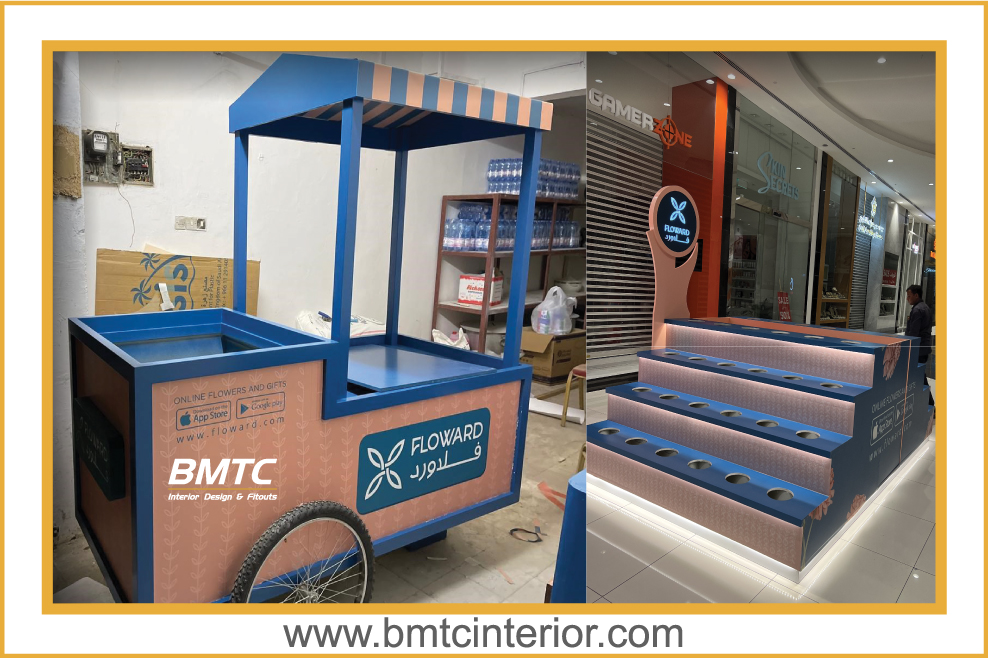
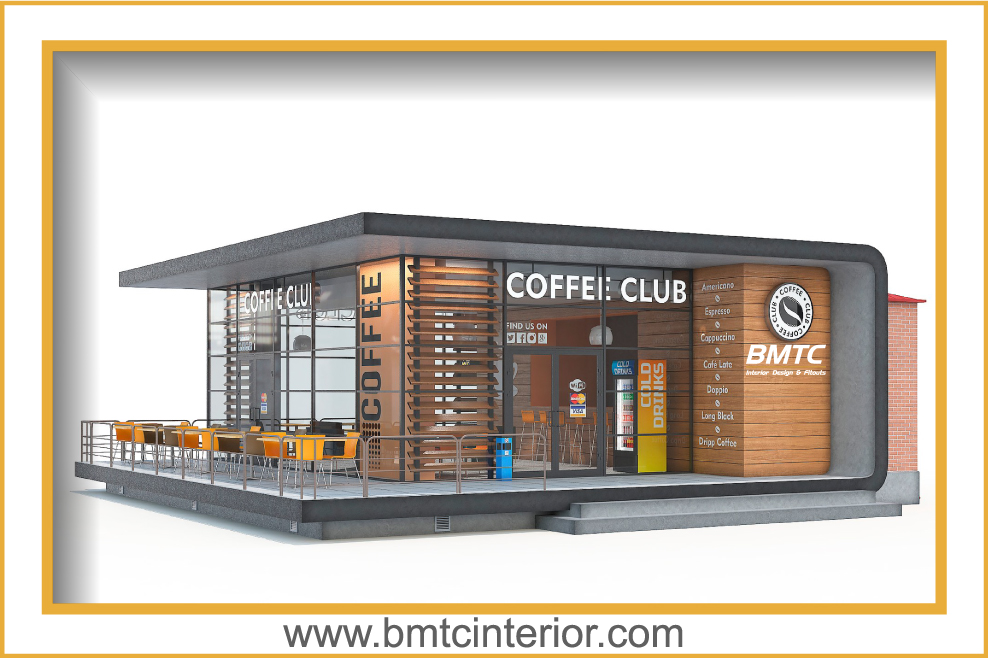
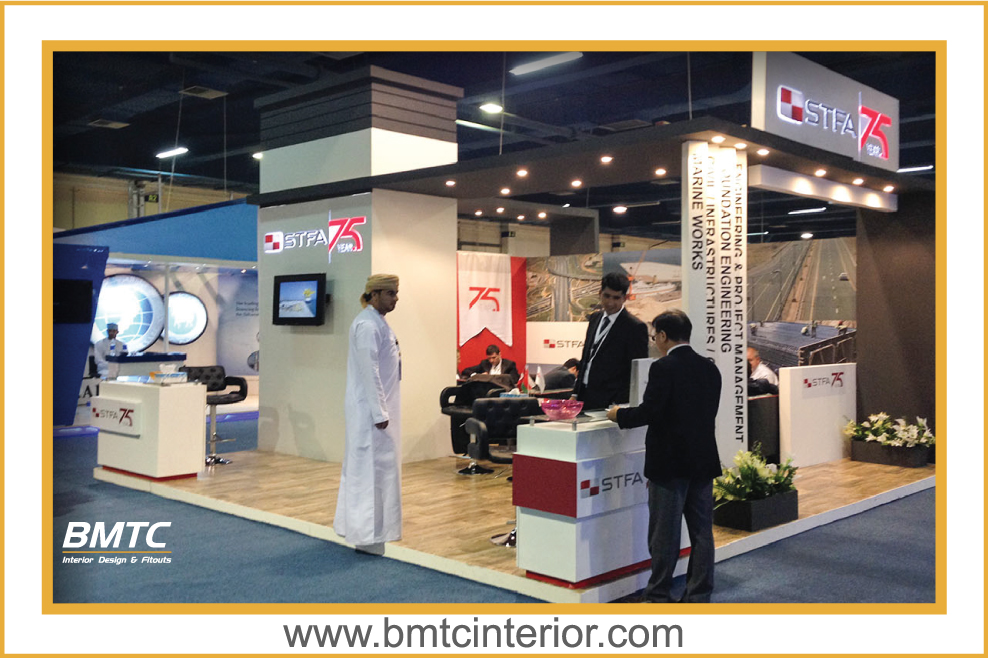
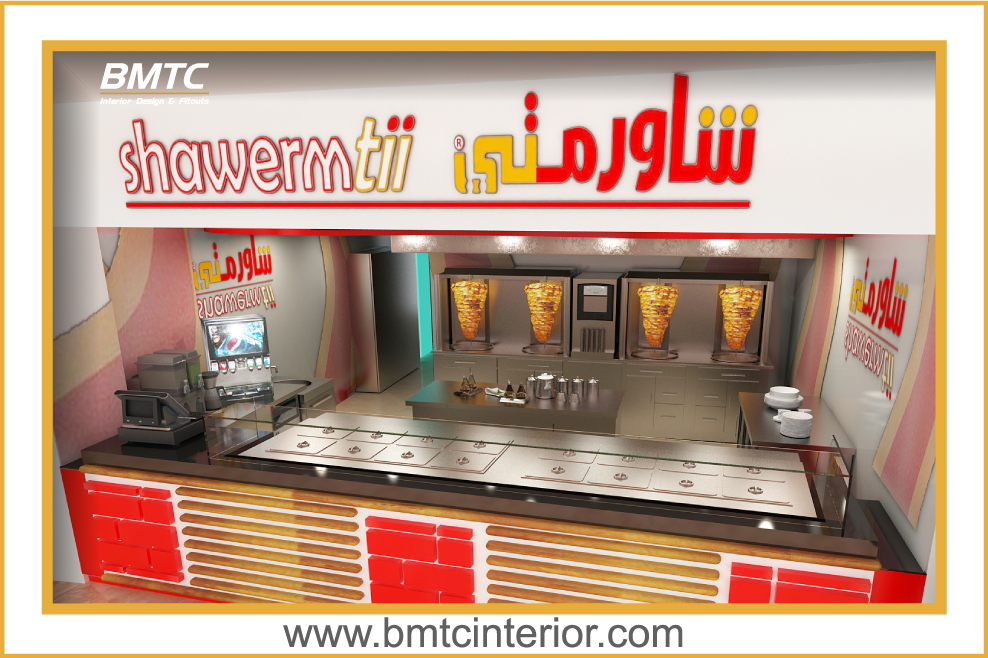
Representative images from BMTC fit-out projects. Structured cabling is often concealed within ceilings, walls and floors; visible containment and outlet positions are part of a coordinated services package.
Structured cabling is often procured alongside other fit-out and MEP scopes. These pages provide additional context.
Direct answers to common questions about structured cabling contracting in Oman.
Structured cabling contracting covers the design, installation, testing and documentation of a planned cabling system for data, voice and connected building services. It is different from ad-hoc network patching because it follows a coordinated layout, uses consistent materials and is tested before handover.
Yes. BMTC installs copper horizontal cabling including Cat6 and Cat6A, subject to the project specification. Cable category, shielding and jacket type are confirmed against the network design and route conditions.
Yes. Fibre backbone installation can include multimode or single-mode cable, fibre patch panels, splicing and testing. Fibre type and connector format are confirmed against the project design and equipment requirements.
Copper and fibre links are tested and labelled. Test results and as-built information can be provided where specified. The exact test criteria and documentation format are agreed before installation begins.
Installation can be phased around occupied spaces and business hours where the project requires it. Working methods, access arrangements and protection of finishes are agreed before work starts. The level of disruption depends on the route, containment and whether ceilings or partitions need to be opened.
Yes. Cable tray, basket, trunking and conduit can be included in the scope. Containment is planned with attention to route alignment, separation from power where required, ceiling access and finished appearance.
Yes. BMTC can coordinate with your IT team, network integrator or AV contractor on outlet positions, rack layouts, testing requirements and handover information. Clear coordination points help avoid last-minute changes.
Cost depends on the number of outlets, cable category, fibre requirements, containment length, rack or cabinet scope, testing and documentation requirements, site access and working hours. A project-specific quotation is prepared after the scope and site conditions are reviewed.
Duration depends on project size, design approval, material procurement, site access and coordination with other trades. A small office installation has a different programme from a multi-floor project with fibre backbone and comms room works. A realistic timeline is provided with the project-specific quotation.
Existing cabling can sometimes be reused or extended, but it should be assessed first. A site survey can review cable condition, category, routing and test status. Where existing cabling cannot support the required performance or is not safely accessible, replacement or alteration will be recommended.
BMTC supports projects in Muscat, Seeb, Al Khuwair, Ruwi, Bawshar, Qurum, Ghubrah, Sohar, Sur, Nizwa, Salalah and Ibri. Coverage for a specific project is confirmed after reviewing the scope, location and scheduling requirements.
Post-handover moves, adds and changes can be discussed as a separate scope. Any maintenance or support arrangement is confirmed in the project agreement. Routine IT support and network configuration are separate from the cabling installation scope unless specifically included.
Share your project location, floor plans, outlet requirements and timeline. BMTC will review the scope and respond with a quotation or a request for a site survey where needed.