Pre-Tender Value Engineering
Design-Stage Review
A structured review of drawings and specification before the tender is issued, when the widest range of options is still available and changes are absorbed into the tender package.

When a fit-out exceeds its budget, the answer is not to strip out scope and hope. BMTC reviews the design and specification element by element, prices each realistic alternative against the same baseline, and records what it does to function, appearance, programme and running cost — so you choose with the evidence in front of you.

Fit-out value engineering is a structured review of the design and specification to find the same function, quality and durability at a lower cost. Each realistic option is priced against the original baseline, and the effect on how the space works, how it looks, how long it takes to build and what it costs to run is recorded alongside the saving.
Clients whose design or tender figure has exceeded the available budget, operations teams working to a fixed capital limit, developers testing viability, retail brands standardising a format, and designers who need to close a cost gap without abandoning the concept.
Office fit-outs, retail units and showrooms, restaurants and cafés, clinics and medical centres, hotel refurbishments, salons, gyms, and villa or apartment interior projects across Oman.
Random cost cutting damages a fit-out quietly: cheaper finishes wear out, simplified details lose the look, and maintenance costs rise. Value engineering manages that trade-off deliberately, so the savings you accept do not create a bigger cost later.
The right stage changes the range of options available. The earlier the review, the more can be changed without rework; the later the review, the more targeted the focus needs to be.
A structured review of drawings and specification before the tender is issued, when the widest range of options is still available and changes are absorbed into the tender package.
Where returns exceed budget, options are identified and priced against submitted rates so the saving is measured rather than assumed, and the design intent is preserved wherever possible.
Material and product substitutions reviewed for performance, durability, availability and appearance, with a clear view on whether each alternative is genuinely equivalent or a compromise.
Details reviewed for how they are actually fabricated and installed. Simplifying a complex junction or standardising a joinery module often saves cost without any visible change.
Cheaper up front is not always cheaper overall. Options compared on maintenance frequency, replacement cycle and cleaning regime, so savings in one area do not create higher running costs.
Structured sessions with the client, designer and cost team to work through options together, agree priorities and record decisions, where a written report alone is not enough.
These are the areas that most often contain options, because they are where specification and detail choices have the largest cost effect. The review works from your drawings, not from a generic list.
Gypsum versus mineral fibre, plaster skim versus taped-and-filled joints, bulkhead simplification and the density of lighting cut-outs all change both cost and the amount of trade time on site.
Substrate, veneer versus laminate, edge details, hardware selection and standardised modules versus fully bespoke units are among the largest controllable costs in an interior fit-out.
Porcelain versus ceramic, engineered versus solid timber, LVT versus carpet tile, and the extent of levelling required. Each brings a different balance of appearance, wear and maintenance.
Paint versus wallcovering, panelling versus framed finishes, and the extent of decorative plasterwork all affect both cost and how easily the surface can be maintained or repaired later.
Fixture quality, colour rendering, dimming control and the layout of the scheme. A cheaper fixture can cost more over its life if it fails early or is hard to replace.
Framed versus frameless systems, acoustic performance, fire rating and the extent of glass are all design decisions with a substantial cost consequence, and each needs review against the actual requirement.
Relocating versus retaining existing services, consolidating risers and simplifying routing often produces savings that are invisible in the finished space.
Furniture is frequently excluded from contractor pricing. Reviewing specification against actual use, and standardising where possible, often reveals options without any reduction in function.
Duration, phasing, welfare, hoarding and access arrangements all carry cost. A shorter or simpler site arrangement sometimes delivers more saving than any material change.
Value engineering only works if the savings are real and the consequences are visible. Every option we present is priced, described and attributed.
You receive a register of options with cost, impact and recommendation for each, rather than a single instruction to remove something. The decision remains yours.
Where a saving would visibly change the space, that is stated plainly. Options that protect the appearance of key areas are prioritised before those that do not.
Reviews are carried out by a team that also delivers fit-outs, so options are assessed on how they build in practice — not only on how they compare on a price list.
Every option is priced against the same original baseline, so the total saving is genuinely additive rather than overlapping or double-counted.
If the design is already efficient, the review says so. If the saving available is small relative to the effort, that is stated. The goal is a clear answer, not a manufactured number.
Each option carries enough information for a client, a designer or an internal approvals process to make a decision without needing another round of clarification.
Six stages from briefing to an agreed register of options, with the basis of each saving confirmed as it is presented.
Scope, design status, budget position and target saving are agreed.
Drawings, specification, BOQ or tender returns are reviewed together.
A single cost baseline is fixed, so every option is measured against the same starting point.
Alternatives are identified by element and trade and tested for practicality.
Each option is costed and assessed for impact on design, programme and running cost.
Options issued as a VE register, with client decisions recorded and carried into the design or order.
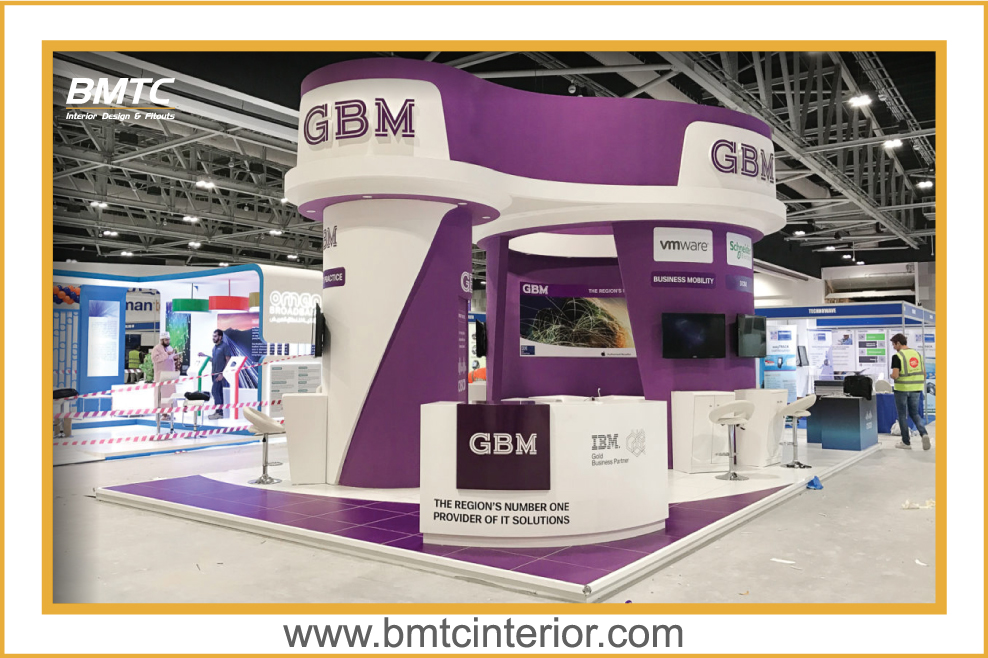
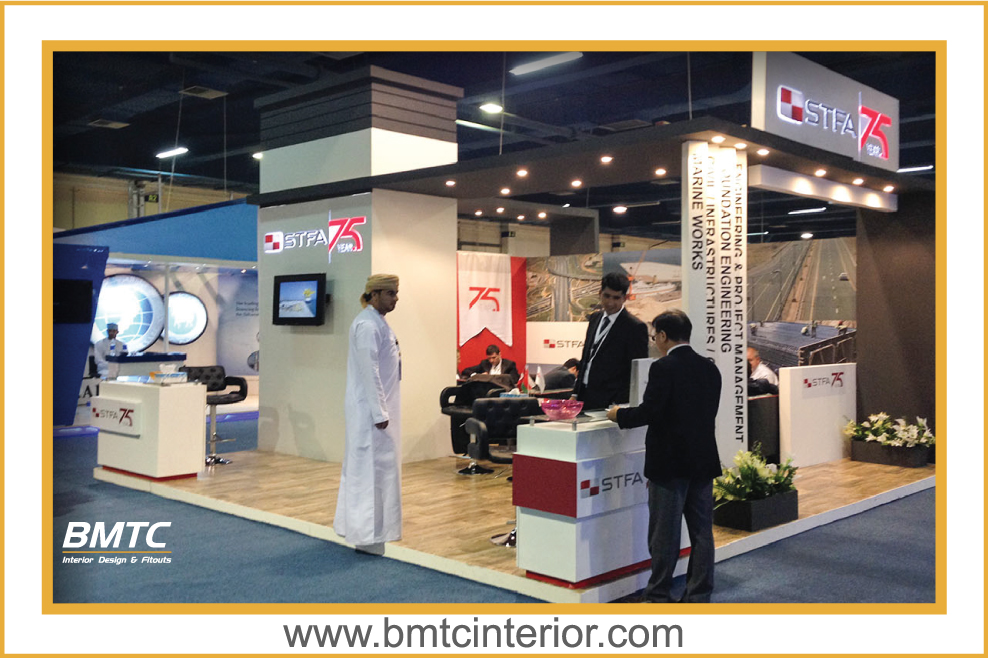
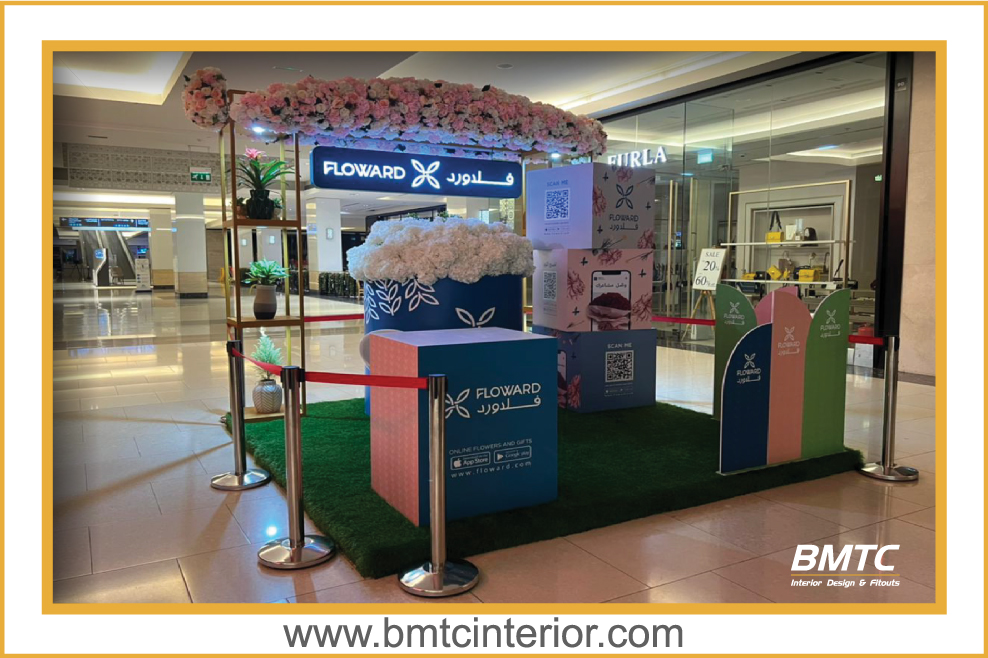
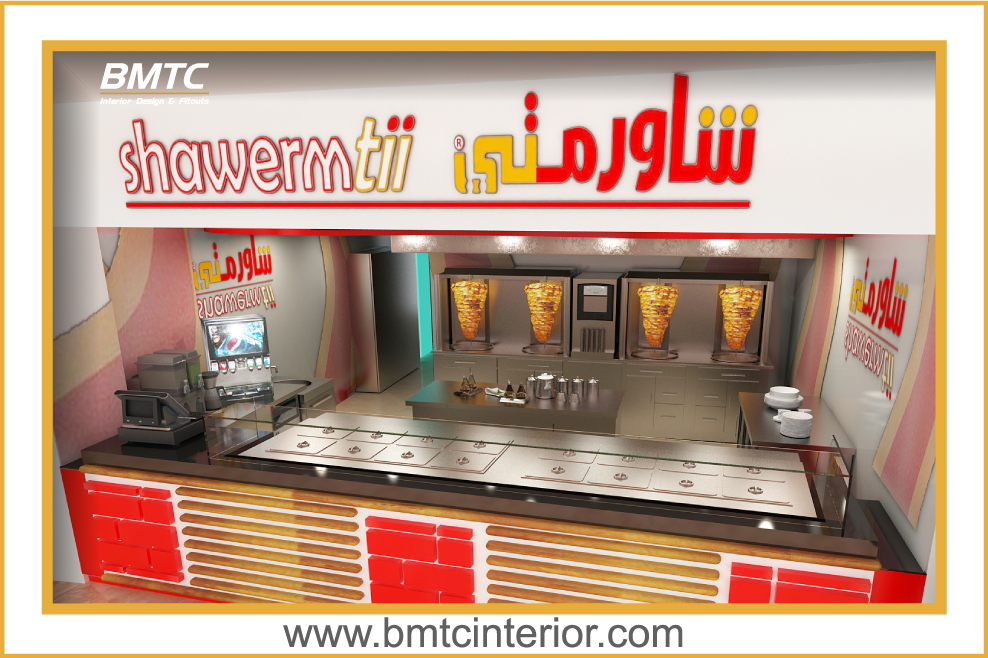
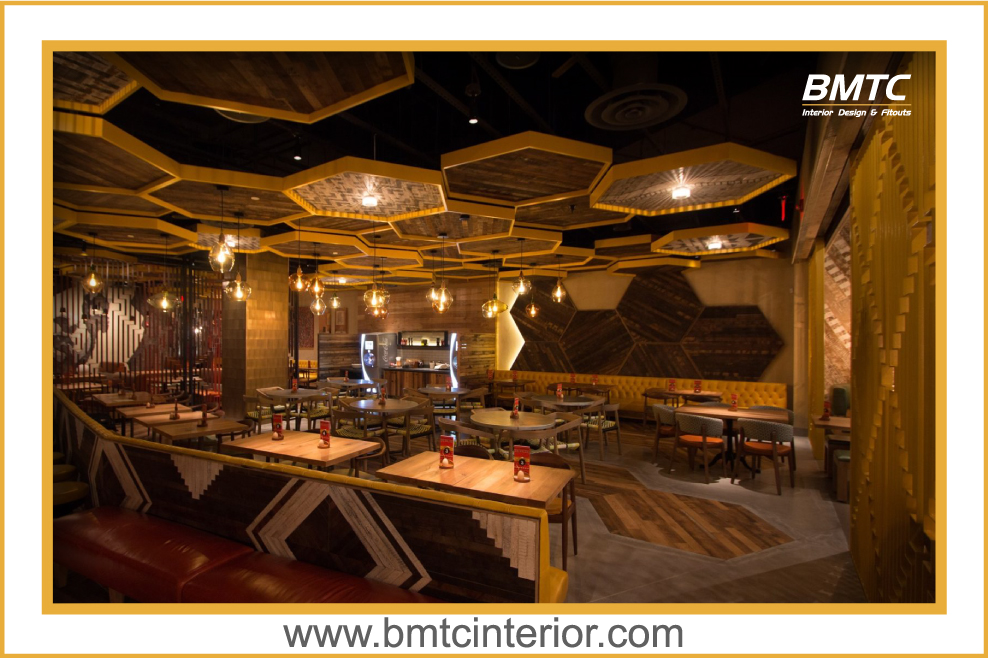
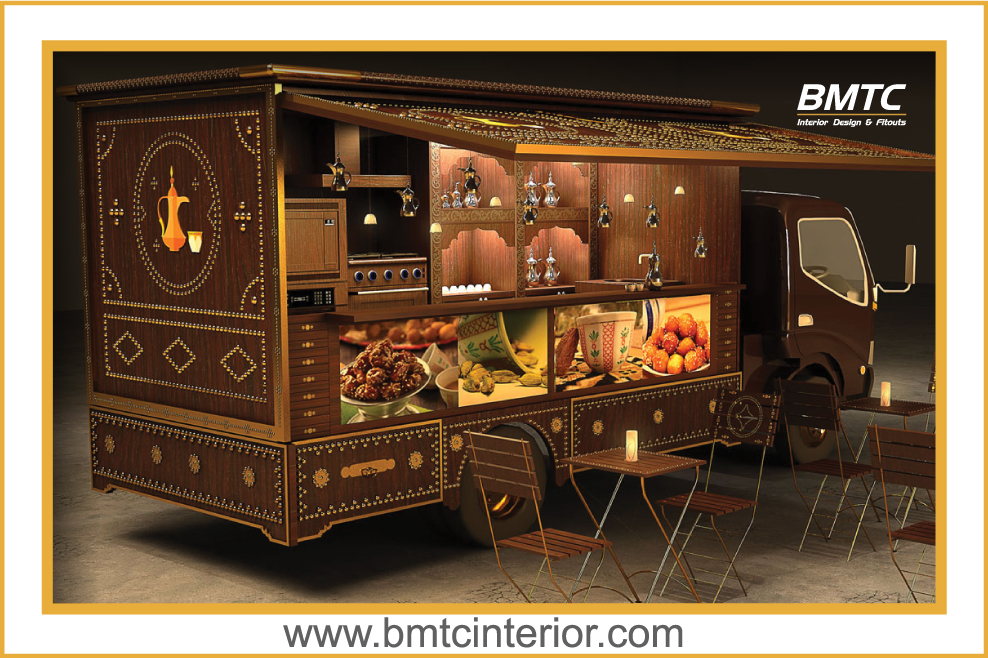
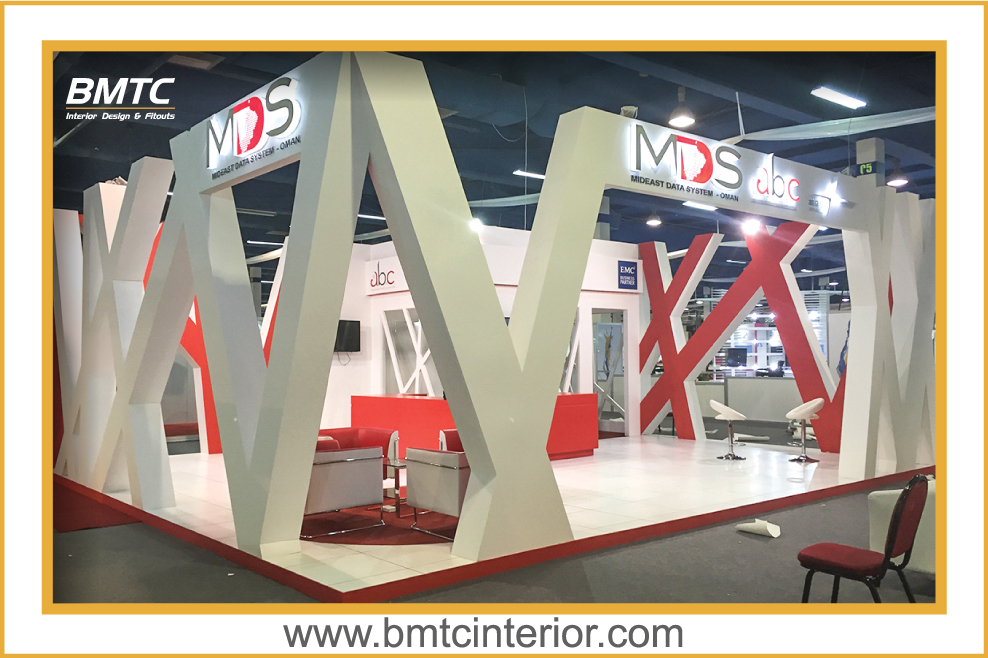
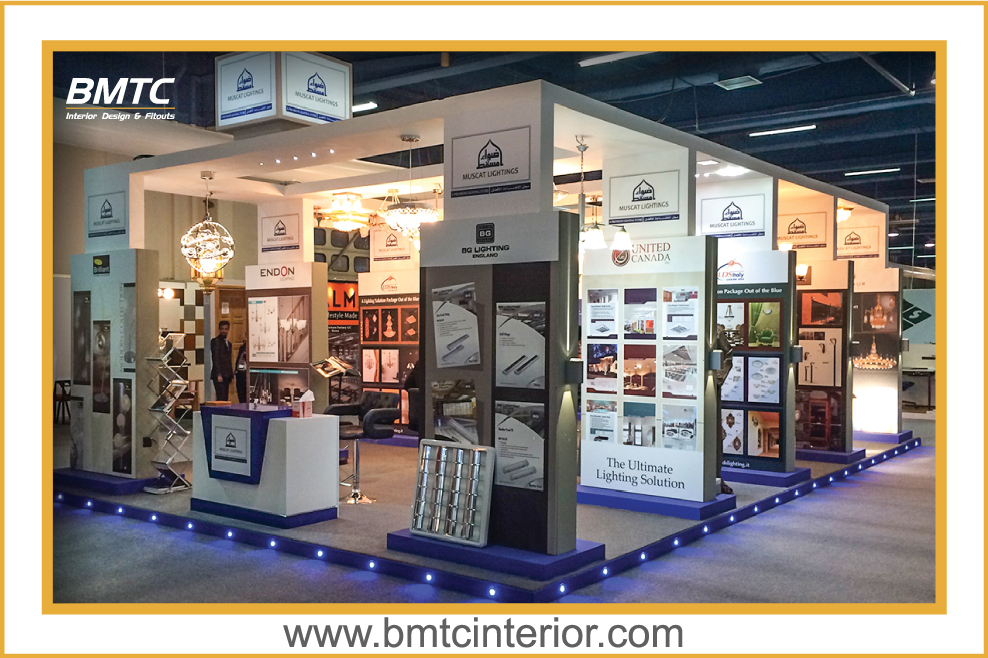
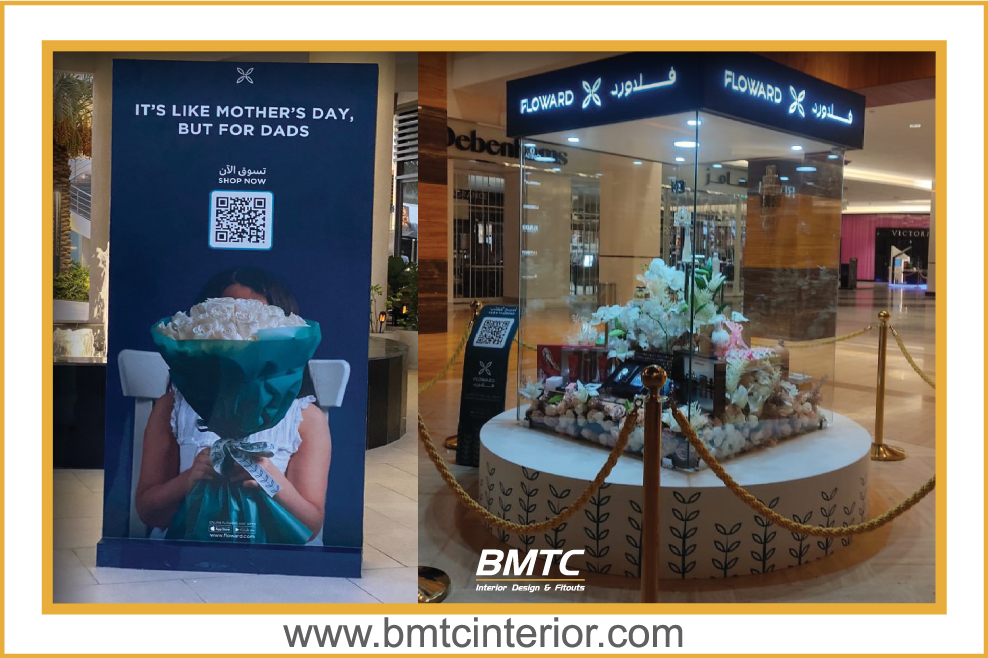
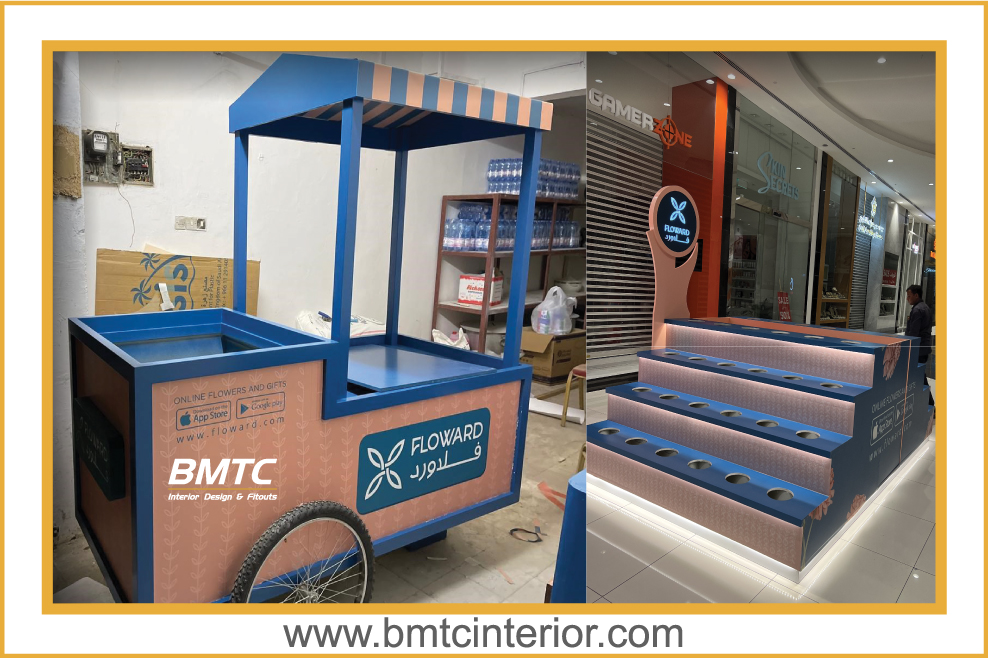
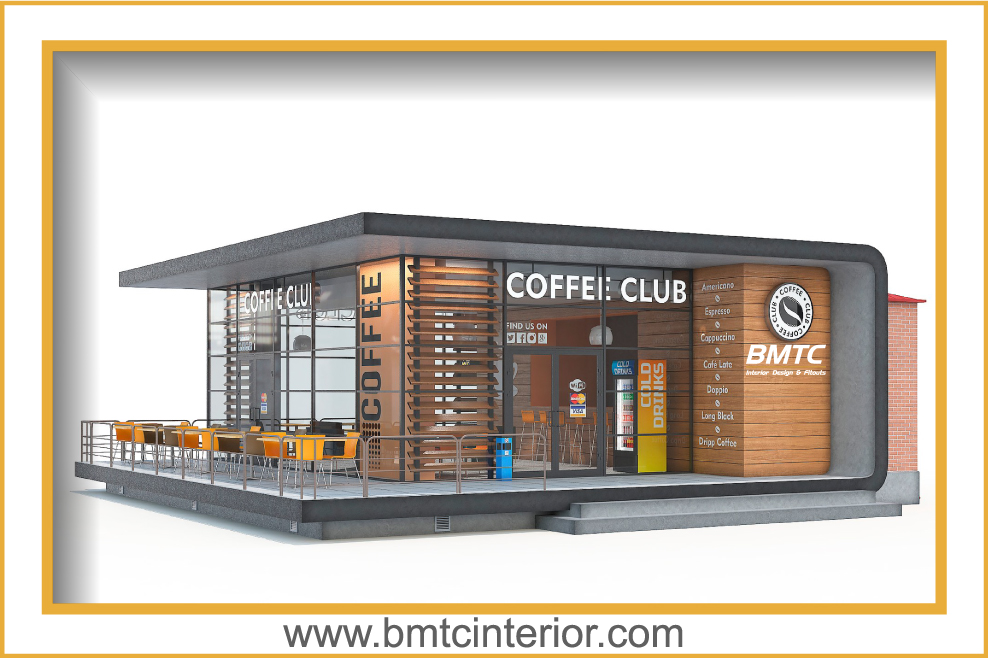
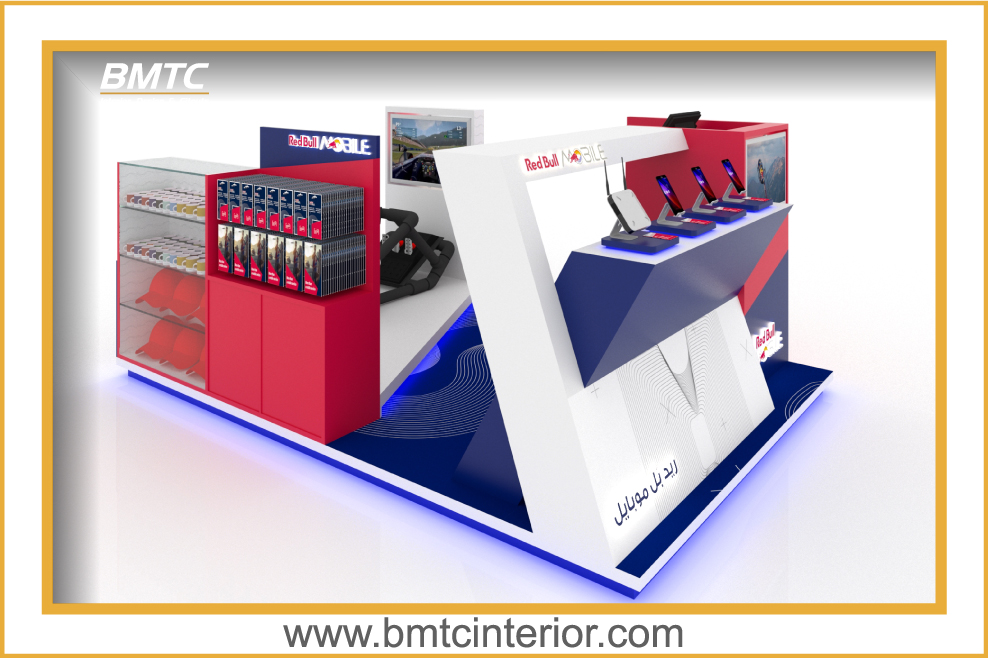
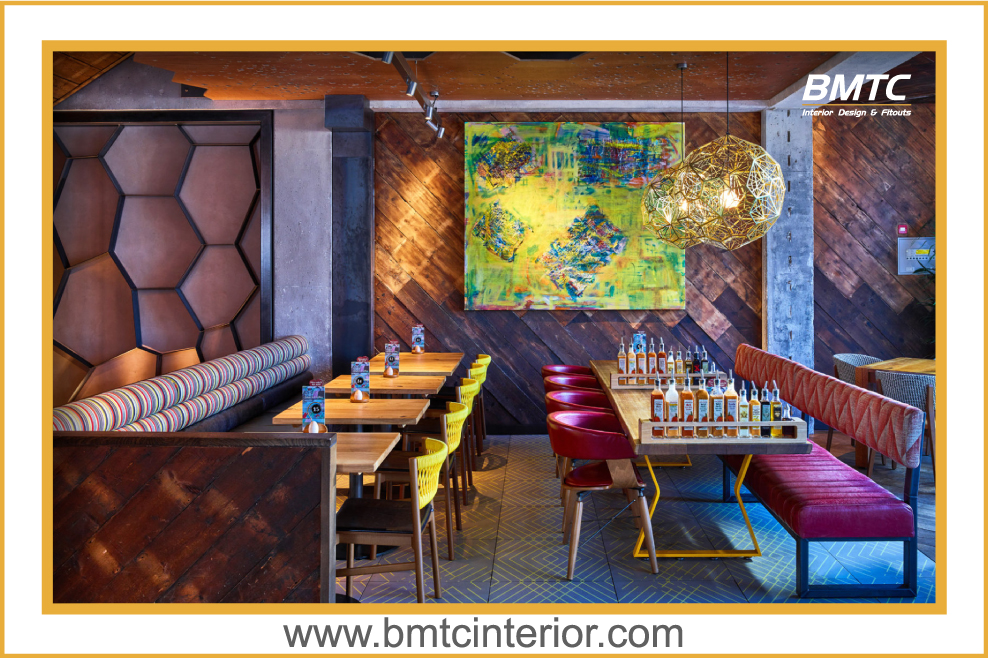
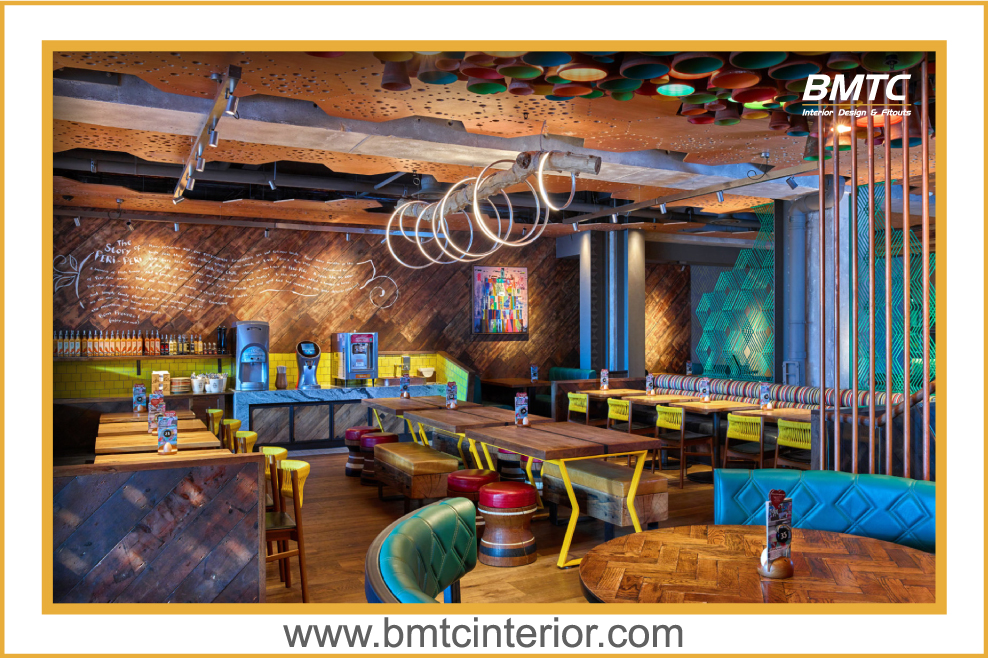
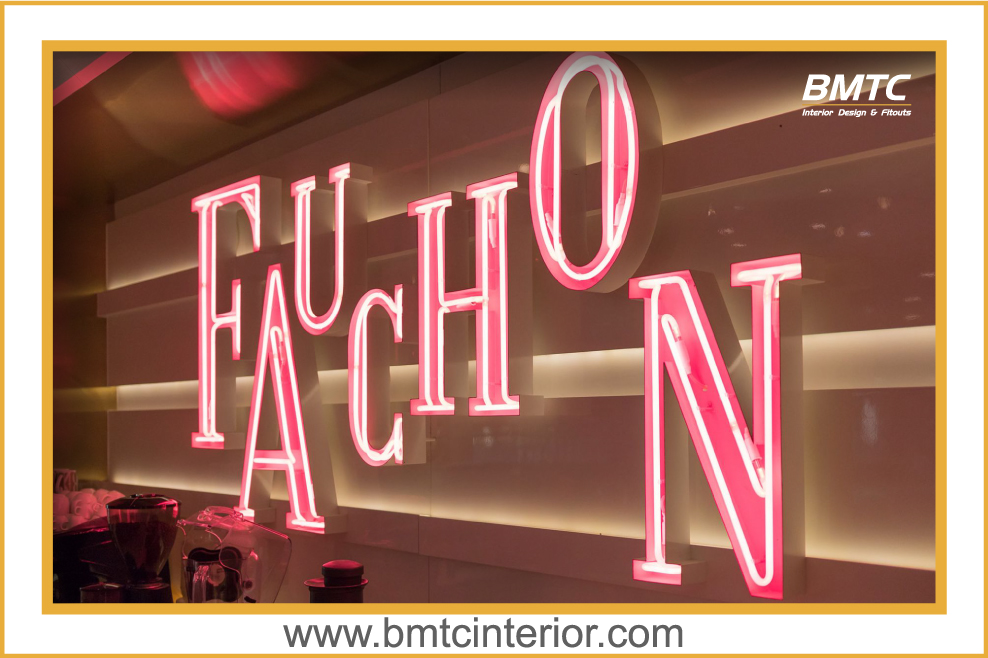
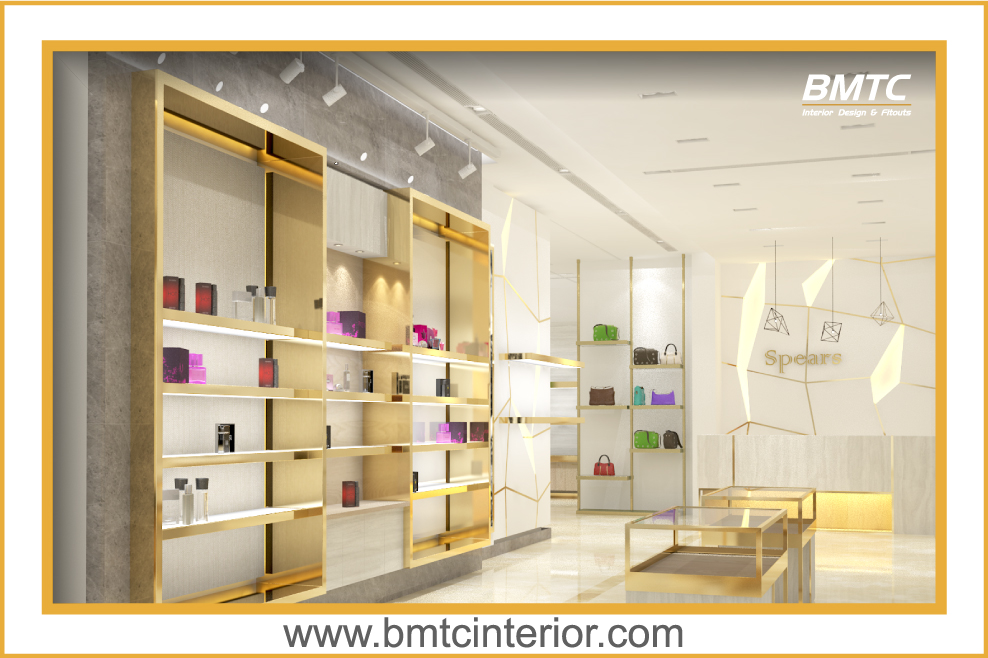
Examples of the joinery, ceilings, finishes and lighting decisions that a value engineering review works through.
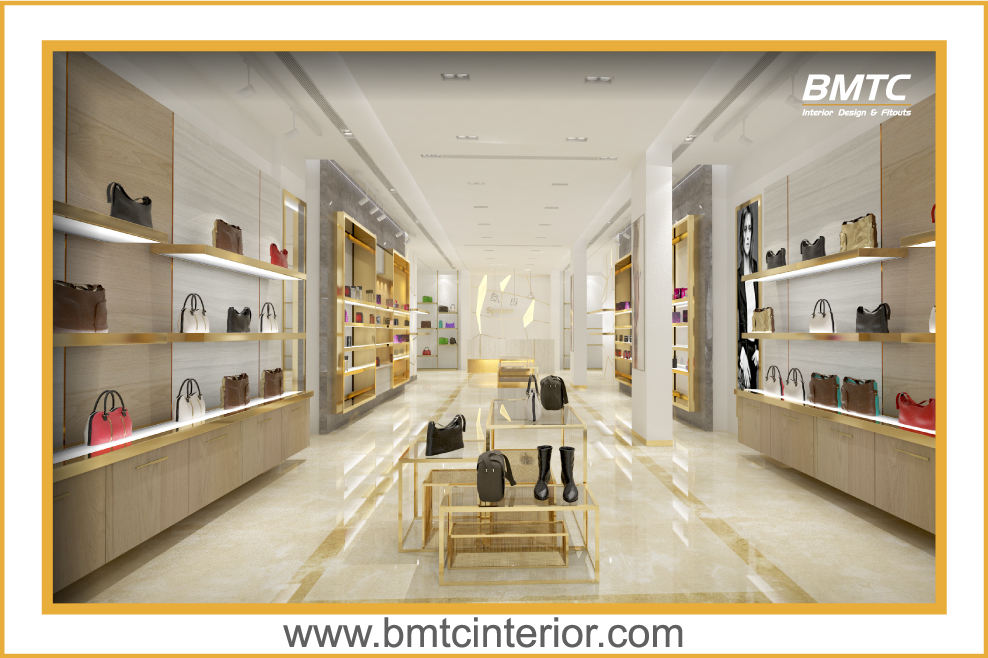
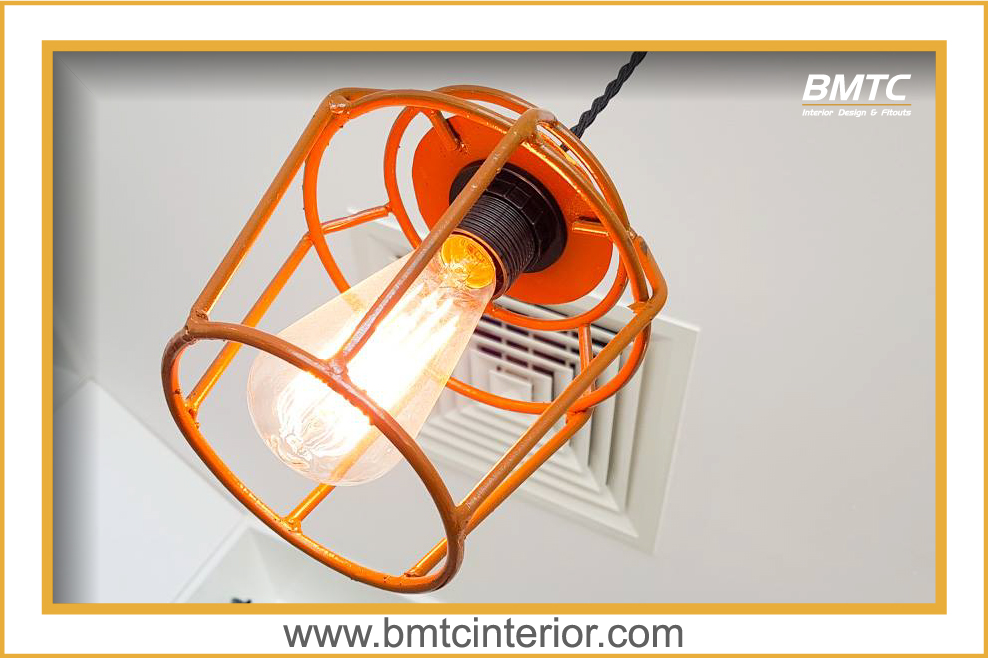
We carry out value engineering reviews for projects in Muscat and the surrounding governorates, as well as further afield across the Sultanate.
Value engineering is largely a drawing and documentation exercise, so it can be carried out for a project anywhere in Oman. Our office in Al Ghubrah, Muscat keeps most of the capital's commercial districts — Al Khuwair, Ruwi, Qurum, Bawshar and Seeb — within easy reach where a site visit helps to understand existing conditions. For projects in Sohar, Sur, Nizwa, Salalah and Ibri, any site visit is agreed in advance. Where drawings or specification are incomplete, the review begins by stating which parts can be assessed from the available information and which require further detail before a firm saving can be given.
Value engineering usually sits alongside design, cost planning, BOQ preparation and delivery. These pages cover the disciplines we work with most often.
Practical answers for anyone whose fit-out budget and design have to be reconciled in Oman.
Fit-out value engineering is a structured review of the design and specification to find the same function, quality and durability at a lower cost. Each option is priced, the effect on design intent and operation is stated, and the client decides which options to adopt. It is an option appraisal, not a blanket downgrade.
No. Cost cutting usually means removing scope or substituting cheaper products without checking the consequence. Value engineering keeps the function and reviews how it is achieved. Where a cheaper option damages how a space works or adds maintenance cost, that trade-off is recorded rather than hidden.
The most effective point is after concept design and before tender, when drawings and specification are developed enough to measure but not yet locked into a contract. Value engineering can also run at tender return or after contract award, but the later it happens the more limited the options and the higher the risk of abortive design work.
Yes, and it is common when tenders exceed budget. In that situation the review focuses on items that can be changed without reissuing the whole design: finishes, ceiling systems, joinery details, lighting specification and service routes. Options are priced against the submitted rates so the saving is measured rather than estimated.
Sometimes, but only where it can be done without weakening the design intent. Many worthwhile savings come from changes that are invisible to the finished space, such as simplifying a ceiling detail, standardising a joinery module or revising a service route. Where a change would visibly affect the space, it is presented as an option with the visual impact described.
Each option is priced against the same baseline as the original scheme, so the saving is measurable. Alongside the cost, the option is noted for its effect on programme, maintenance, durability and appearance, so the choice is not based on the headline saving alone. The output is a value engineering register rather than a single recommendation.
Common areas are ceiling systems, joinery construction and finishes, flooring specification, wall finishes, lighting selection, partition systems and service routes. The actual opportunities depend on the specific design and specification, so a review starts from the drawings rather than from a generic checklist.
It depends on when it is carried out. Value engineering done before tender generally has no programme effect because changes are absorbed into the tender documents. Value engineering after award can add time if the change requires redesign, reapproval or a revised order, so the programme impact is stated on each option.
Yes. Value engineering can be carried out for projects across Oman, including Sohar, Sur, Nizwa, Salalah and Ibri, alongside Muscat, Seeb, Al Khuwair, Ruwi, Bawshar, Qurum and Ghubrah. Where a site visit is needed to understand existing conditions, it is agreed in advance.
It depends on the scope of the review and the amount of information involved. A focused review of the finishes and specification is different from a full review across every trade. The basis and any fee are confirmed in writing before work starts, so there is no surprise at the end.
Yes. Where a contractor offers a cheaper alternative, we can review it against the specified product for performance, durability, warranty, availability and appearance. The outcome is a view on whether it is genuinely equivalent, cheaper but adequate, or unsuitable for the intended use.
No. Not every option produces a saving, and some reviews conclude that the design is already efficient. Where that happens, the report states it plainly so time and effort are not spent chasing reductions that are not available. The purpose is to give a clear answer, not to manufacture a number.
Send your drawings, specification, BOQ or tender returns and tell us the target figure. We will review the information and explain what options are realistically available and how each one would be priced and evidenced.