Full Measured BOQ Preparation
Tender Documentation
Complete bill of quantities covering preambles, preliminaries, measured works by trade and provisional sums, formatted for tender issue to multiple contractors.

A bill of quantities is what makes a tender fair. BMTC measures the interior scope from your drawings, itemises it by trade and element, and builds the rates — so every contractor prices exactly the same work and every variation can be valued against the same document.
A bill of quantities is an itemised, measured document that describes the work required on an interior project and states the quantity of each item in a unit a contractor can price. It usually includes preambles explaining how items should be read, preliminaries covering site setup and management, measured works broken down by trade, and any provisional sums for work that cannot be fully defined at tender stage.
Clients running a competitive tender, facilities teams procuring fit-outs across multiple sites, developers preparing leasable interiors, designers whose clients need formal tender documents, and buyers who need to compare contractor returns on equal terms.
Office fit-outs, retail rollouts, restaurant and café projects, clinic and medical interiors, hotel refurbishments, salons, gyms, showrooms, and villa or apartment interior works across Oman.
Without a BOQ, each contractor defines the scope differently. That makes returns impossible to compare, variations difficult to value and final accounts slow. A BOQ fixes the baseline before the tender opens and holds it consistent through to handover.
The document can be prepared for a full tender, as a standalone quantity schedule, or as a review of a BOQ prepared by someone else. The scope is confirmed in writing at appointment.
Complete bill of quantities covering preambles, preliminaries, measured works by trade and provisional sums, formatted for tender issue to multiple contractors.
Measured quantities for ceilings, partitions, flooring, tiling, joinery, paint and MEP, produced from drawings or from a site measurement exercise.
Written descriptions and preambles explaining how each item is to be measured, what specification is assumed and what is included, so there is no ambiguity at tender.
Rates built from labour, material and plant inputs at current Oman market levels, provided as a pricing reference or as a schedule of rates for valuation of changes.
Submitted returns tabulated item by item against the BOQ, so differences between contractors can be identified, questioned and resolved before award.
An existing BOQ checked for missing items, incorrect quantities, unclear descriptions and unrealistic rates, with a written review note on what needs correcting.
Structure matters as much as measurement. Each section of the document serves a different purpose during tender and during the works.
The rules of the document: how items are measured, what units are used, what is included and what is excluded from each rate, and how variations will be valued.
Site establishment, supervision, welfare, temporary power and water, protection of existing finishes, cleaning and handover items priced separately from the measured works.
Where the space already exists: removal of partitions, ceilings, floors, joinery and services, with disposal and making-good items recorded separately.
Stud partitions, glass and demountable partitions, bulkheads, gypsum ceilings, feature ceilings and access panels, measured by area with perimeter details noted.
Reception desks, wall units, wardrobes, vanities, display joinery and fitted furniture, described by type and measured in a way that reflects the actual fabrication cost.
Tiling, stone, timber, vinyl and carpet, plus paint, wallcoverings, panelling and cladding, with substrate preparation shown as a separate item where applicable.
Electrical containment, power, lighting, small power, data, plumbing and mechanical alterations, either as measured items or as a defined allowance depending on the level of design information.
Allowances for work that cannot be fully measured at tender, such as specialist installations or items awaiting selection, shown transparently rather than buried in a lump sum.
A summary page that shows the cost of each trade or element side by side, so the total can be read at a glance and any single area can be adjusted without reworking the whole document.
A BOQ is only useful if the measurement is accurate, the descriptions are clear and the rates hold up in practice. That is the basis of every document we issue.
Quantities are taken from the drawings item by item, not estimated from floor area. Each entry is traceable to the drawing it was measured from.
Each item describes what is included and what specification is assumed, so contractors price the same thing rather than interpreting the drawing differently.
Rates are built from Oman labour, material and plant levels for the specification described, rather than borrowed from another market's benchmarks.
Because every contractor prices the same items, returns can be compared line by line, so a lower total cannot hide work that was left out or underpriced.
The document is prepared by a team that also builds fit-outs, so items are described in a way that reflects how work is actually fabricated, sequenced and installed.
Where the design is not yet fully defined, the shortfall is shown as a stated provisional sum or prime cost sum, not buried inside a measured item.
Six stages from first brief to issued document, with the basis of measurement confirmed at each step.
Scope, drawings, specification and intended tender route are discussed.
Drawings are checked for completeness; gaps and assumptions are recorded.
Existing space is measured and conditions checked where relevant.
Quantities are taken off by trade and element with reference to the drawings.
Items are described, preambles written and rates built up.
Final BOQ issued with preambles, assumptions and any provisional sums stated.
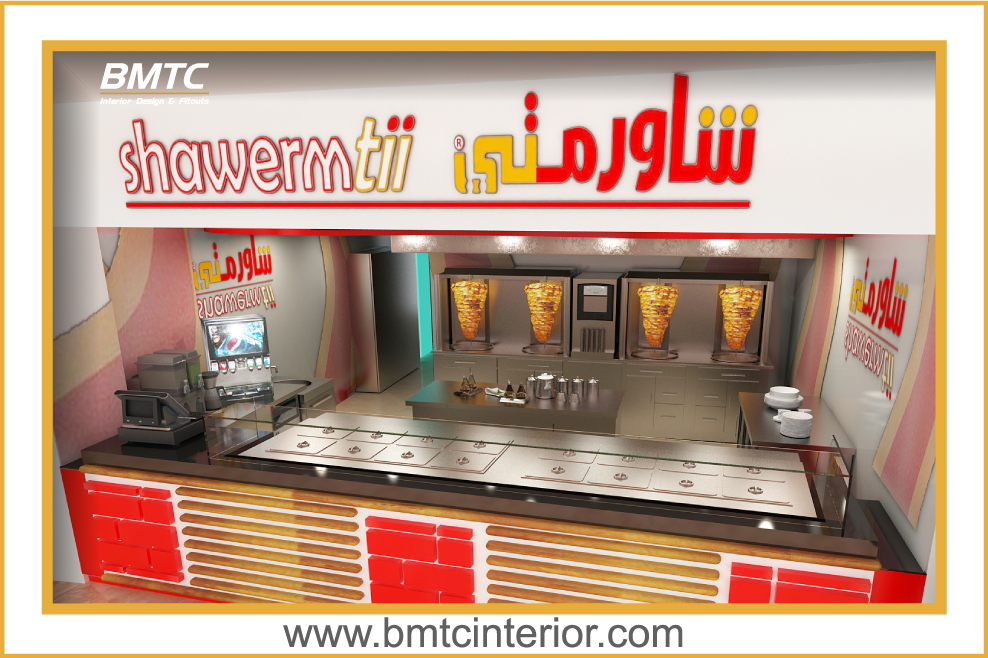
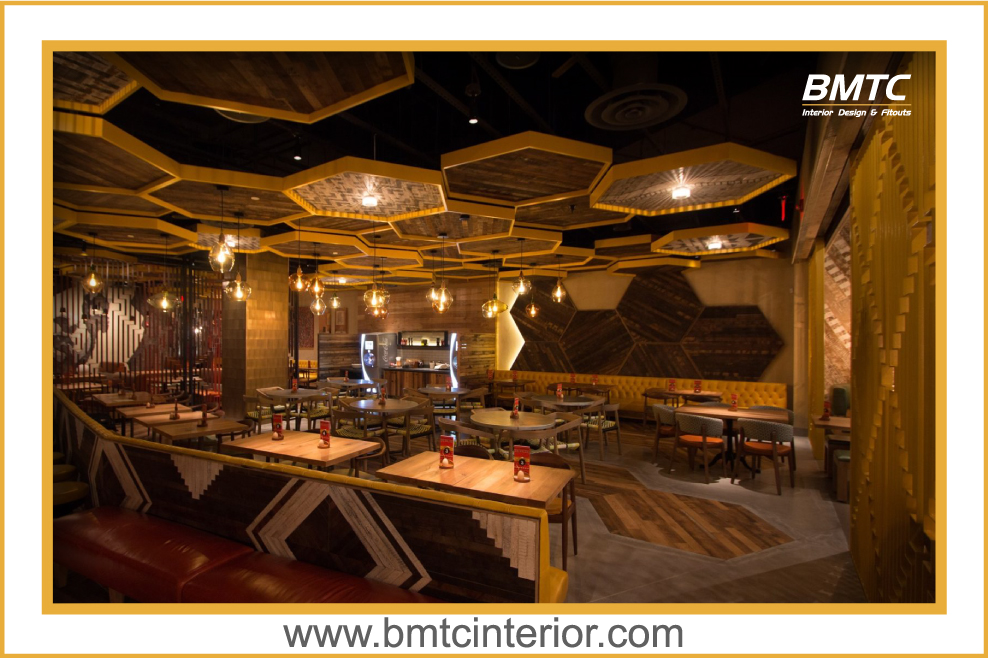
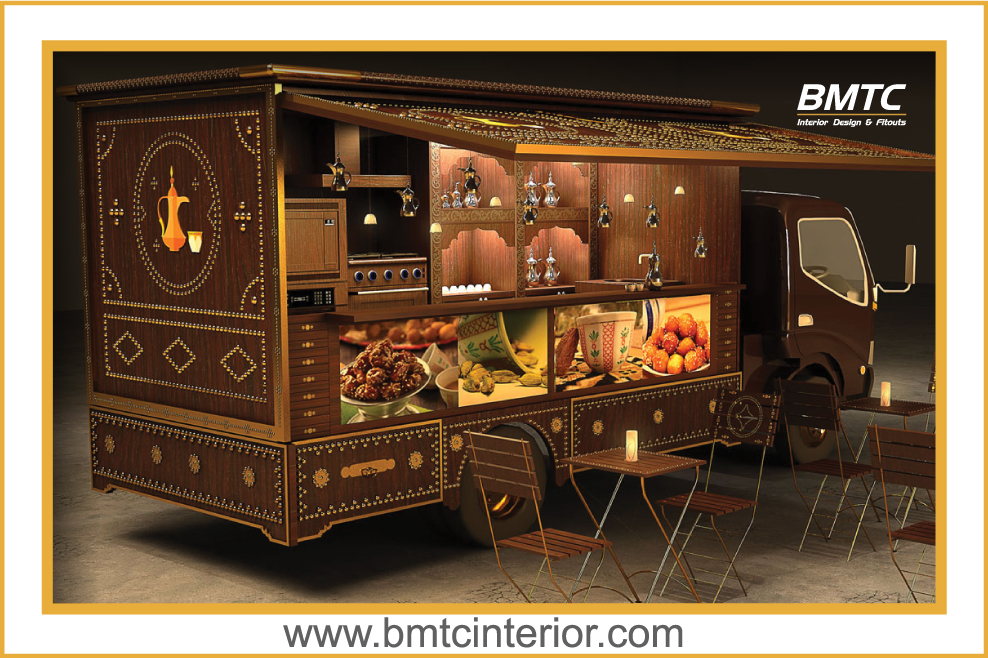
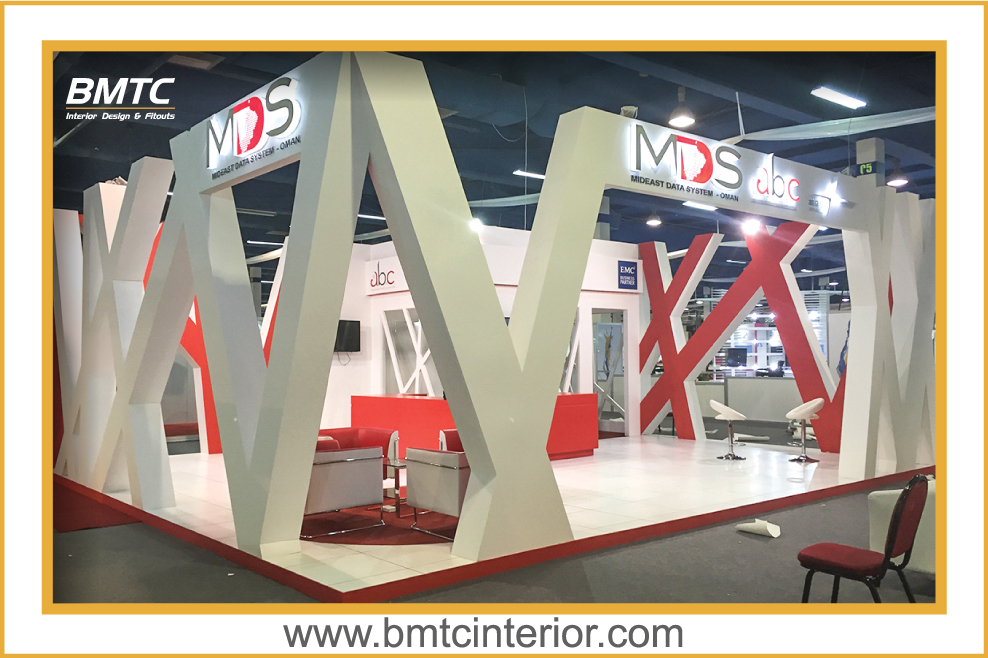
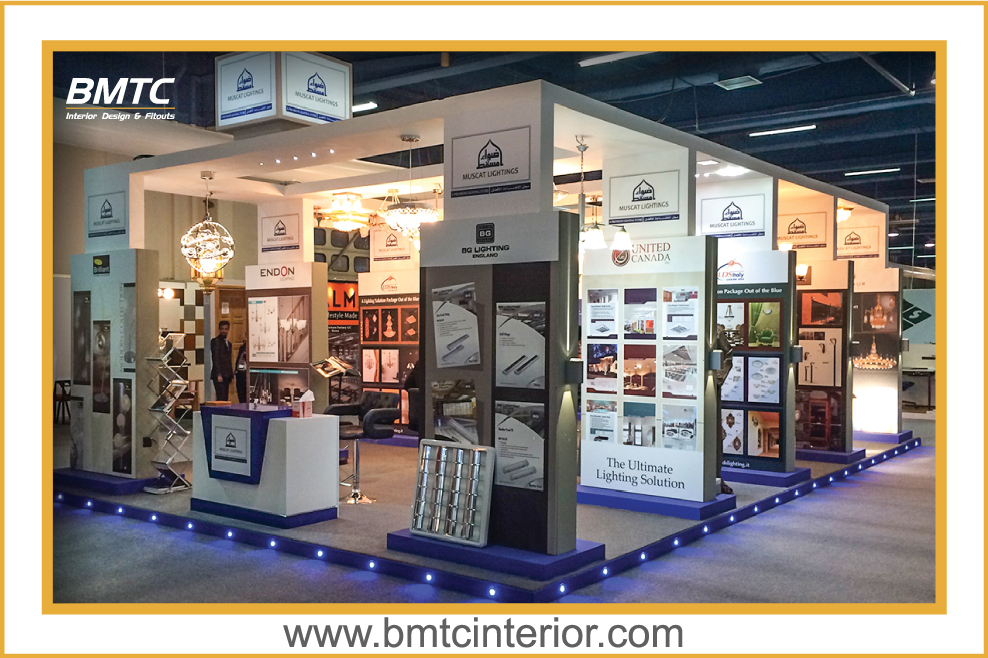
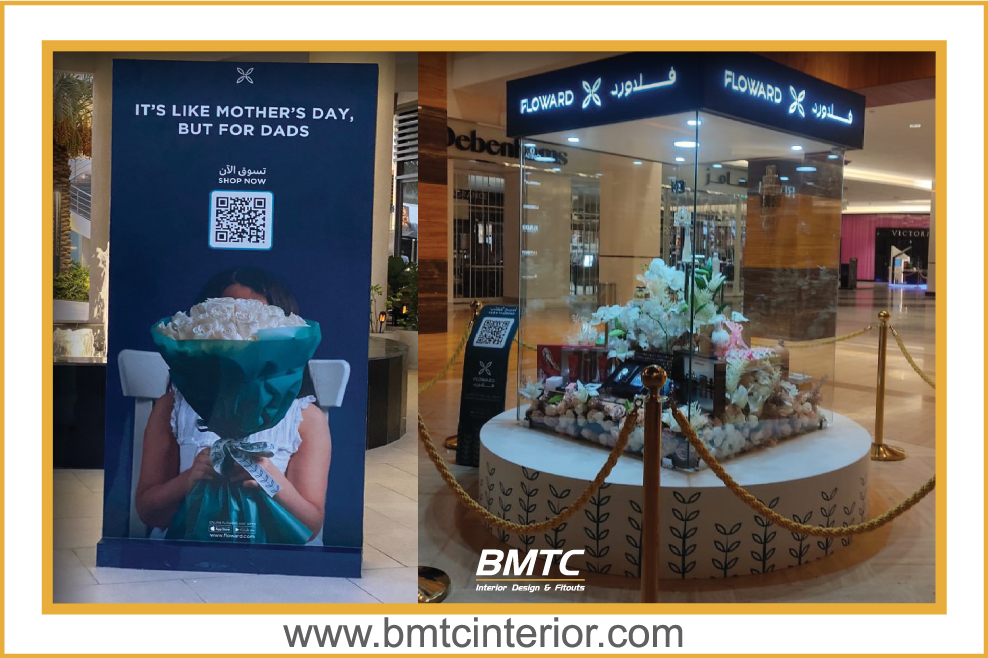
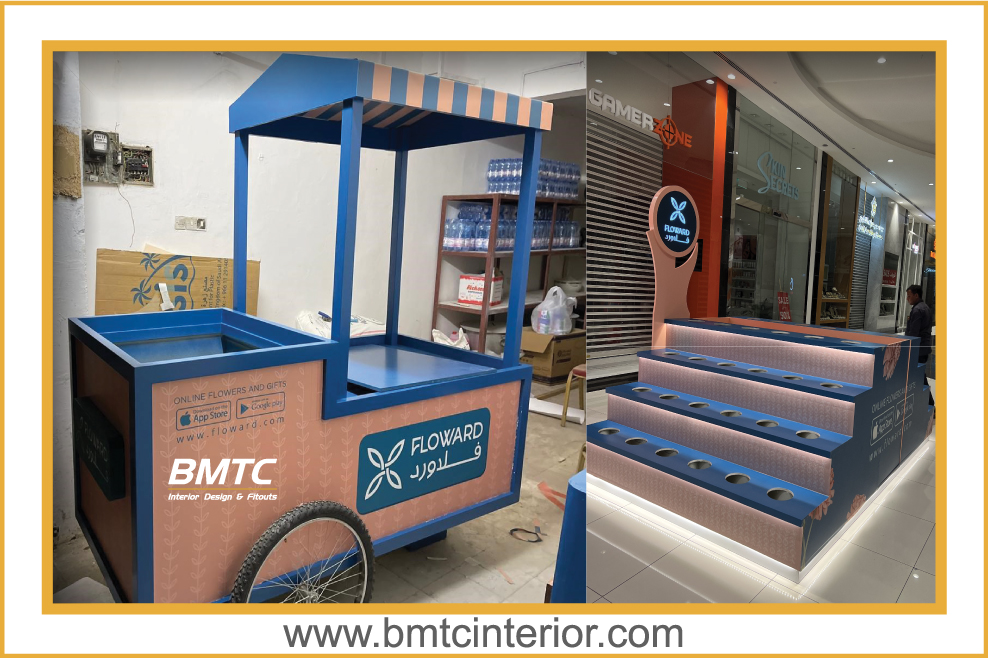
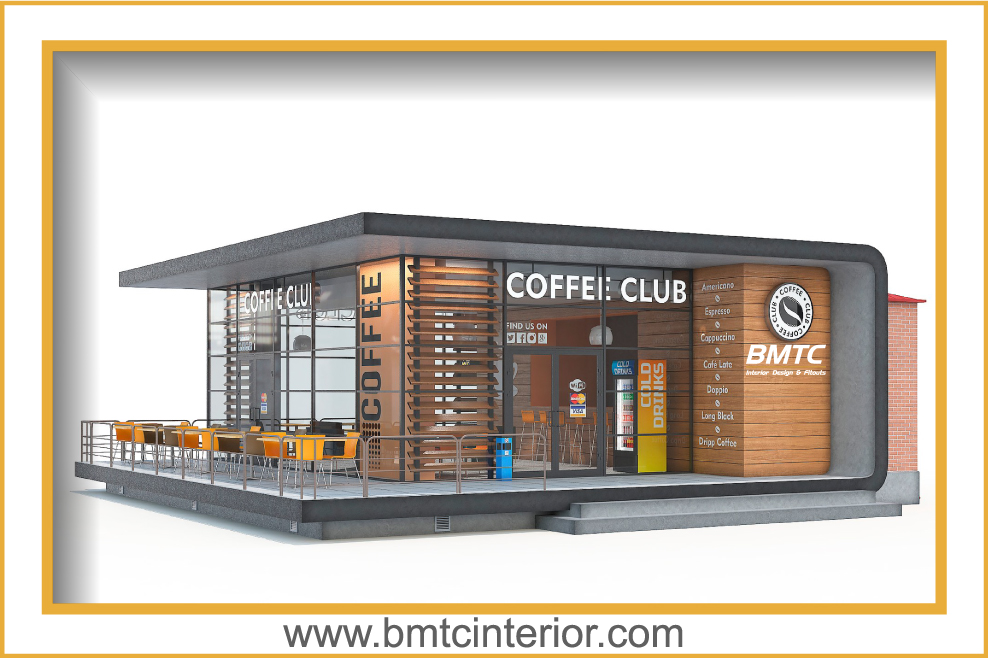
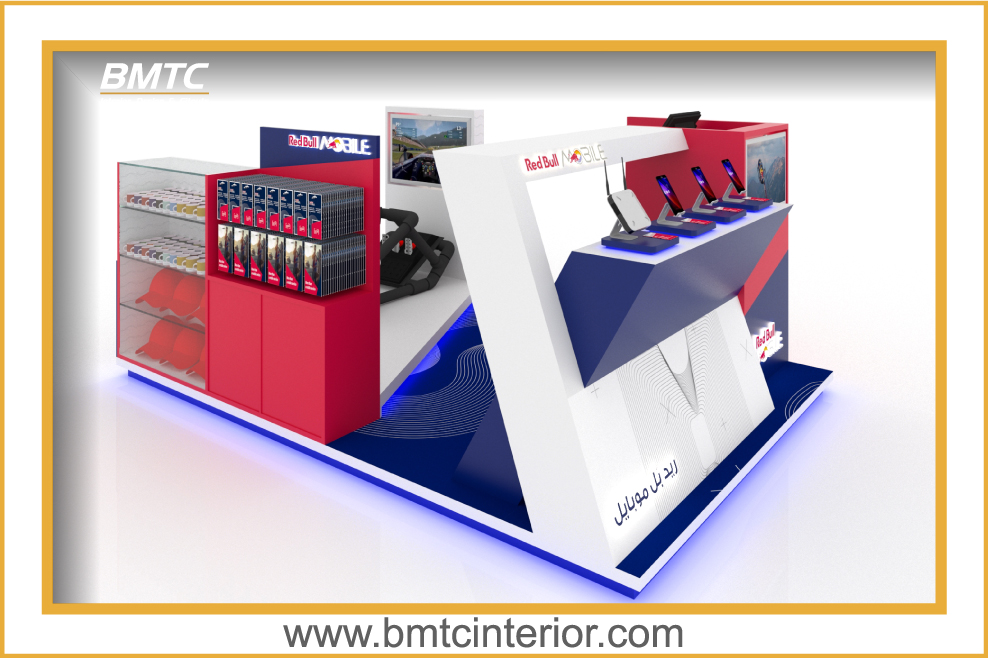
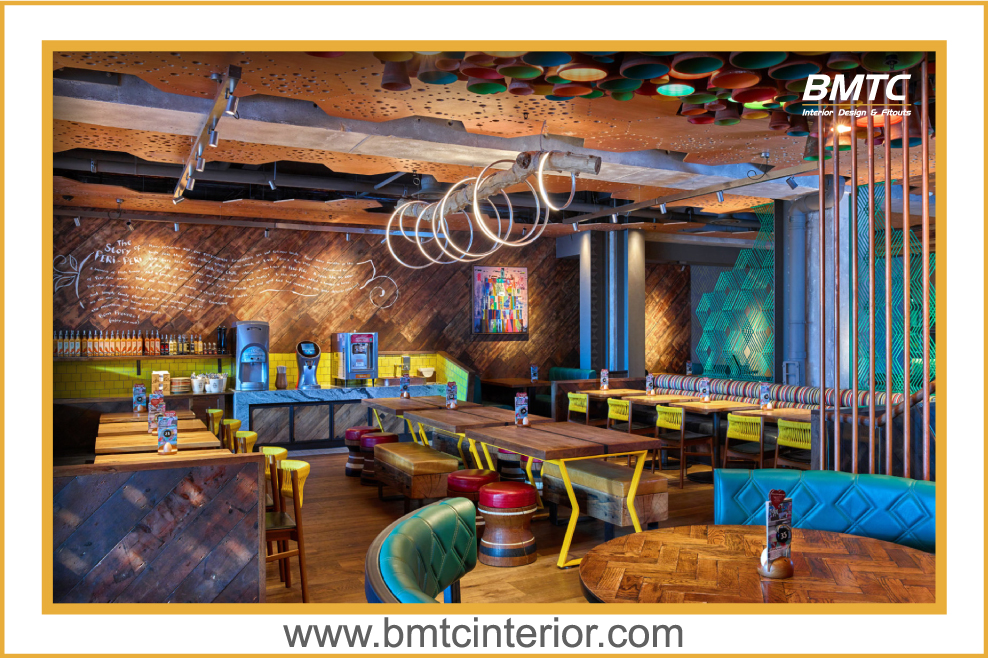
Examples of the joinery, ceilings, finishes and services that a BOQ is built around.




We prepare BOQs for projects in Muscat and the surrounding governorates, as well as further afield across the Sultanate.
BOQ preparation is largely drawing-based, so it can be carried out for a project anywhere in Oman. Our office in Al Ghubrah, Muscat keeps most of the capital's commercial districts — Al Khuwair, Ruwi, Qurum, Bawshar and Seeb — within easy reach where a site measurement visit is required. For projects in Sohar, Sur, Nizwa, Salalah and Ibri, the site visit is agreed in advance along with any associated travel cost. Where drawings are incomplete, we state which quantities have been measured from drawings and which have been taken from a site assessment, so the basis of the document is always clear.
BOQ preparation usually sits alongside design, procurement and delivery. These pages cover the disciplines we work with most often.
Practical answers for anyone preparing a tender or procuring an interior fitout in Oman.
An interior bill of quantities is an itemised document that lists the work required on an interior project, with each item measured in the appropriate unit and described clearly enough for a contractor to price. It usually includes preambles, preliminaries, measured works and any provisional sums, and it becomes the pricing basis for tender and the reference for valuations during the works.
Complete drawings are the starting point: plans, reflected ceiling plans, elevations, details and any specification or finish schedule. Where drawings are incomplete, the BOQ is prepared with stated assumptions. A site visit helps where the space is existing, and a brief covering the intended use, quality level and required completion date allows the preliminaries to be priced accurately.
Yes, but the result is a budget-stage BOQ rather than a tender-stage one. Quantities for areas that are not yet detailed are measured using assumptions that are stated in the document. As drawings develop, the BOQ is revised and the number of assumptions reduces, so the estimate tightens with each iteration.
A BOQ is the client-side document that defines what is to be priced. A quotation is a contractor's response to that document. Where contractors quote without a BOQ, each one defines the scope differently, which is why returns are hard to compare and variations are hard to value. A BOQ makes both of those processes consistent.
It includes whatever the agreed scope covers, and the document states this clearly. MEP works, joinery, loose furniture and specialist installations can each be shown as separate sections or trades so that you can see the priced cost of each area rather than one combined total.
Rates are built up from labour, material and plant inputs at current Oman market levels for the specification described in the BOQ. Where a rate is uncertain because the specification is not fully defined, it is shown as an allowance or provisional sum with the basis stated, so the document is transparent rather than padded.
Yes, that is one of its primary uses. Each contractor prices the same items, so returns can be tabulated side by side and compared item by item. Differences become visible — one return may be unusually low on joinery and high on preliminaries, another may leave an item unpriced — which lets you ask the right questions rather than choosing on a single total.
Yes. Refurbishment BOQs usually include a separate section for demolition and removal, plus items for making good and allowing for hidden conditions. A site assessment is normally recommended because the extent of existing services, partitions and finishes directly affects the quantities involved.
Yes. BOQ preparation is largely drawing-based, so it can be carried out for projects anywhere in Oman, including Sohar, Sur, Nizwa, Salalah and Ibri, alongside Muscat, Seeb, Al Khuwair, Ruwi, Bawshar, Qurum and Ghubrah. Where site measurement is needed outside Muscat, the visit and any associated costs are agreed in advance.
It depends on the appointment. Where design and BOQ preparation are commissioned together, they are usually scoped as separate deliverables because the work is different. Where BOQ preparation is provided as a standalone service — for a client who already has drawings — the fee reflects the level of measurement and documentation required, and is confirmed in writing before work starts.
The BOQ becomes the reference for interim valuations and variations. Measured items are re-measured against the actual work, and any change is valued against the original rates wherever possible. That keeps cost movement transparent and makes final accounts faster, because both parties are working from the same itemised document.
Yes. We can audit an existing BOQ for missing items, incorrect quantities, unclear descriptions or unrealistic rates. The output is a review note that highlights what needs correcting before the document goes to tender, which protects the integrity of the tender process.
Send your drawings, specification or existing BOQ. We will review the information and explain what level of measurement and documentation is appropriate for your tender or procurement route.