
Smart Office Solutions in Oman
Plan your office technology as part of the design — lighting control, meeting room AV, access control, climate zoning, occupancy sensing and room booking, all integrated into the fit-out rather than added later. BMTC designs, specifies and coordinates smart office systems for businesses across Oman.
What Smart Office Solutions Actually Cover
An honest explanation of what smart workplace technology includes — and how it fits into an office project.
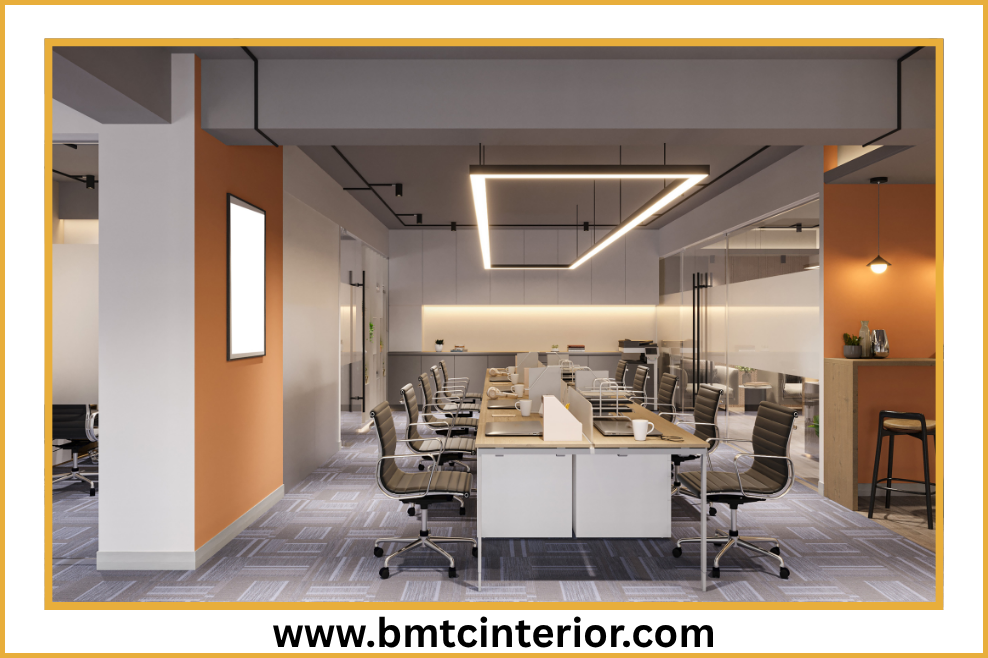
A smart office is a workplace where lighting, climate, access, meeting rooms and shared services are controlled through connected systems rather than through separate switches, remotes and manual processes. The technology is designed in alongside the interior — not bolted on after the ceiling has been closed and the walls finished.
It is not about installing gadgets. The value comes from planning which systems will genuinely help your team, making sure they share data where it makes sense, and ensuring the wiring, containment and power are correct before the finishes go in. On a fit-out, that means coordinating smart systems with office space planning, office fit-out works and MEP services from day one.
Where smart office technology is commonly specified
- Corporate headquarters and multi-floor commercial offices
- Co-working and serviced office floors with shared amenities
- Meeting rooms, boardrooms and hybrid video-conference rooms
- Reception, welcome and visitor-management areas
- Clinics, legal and finance offices requiring controlled access
- Multi-site businesses wanting a consistent workplace standard
- New fit-outs and refurbishments where systems can be planned properly
Why planning early matters
Most smart office problems come from adding technology after the interior is complete — missing power outlets at the right heights, no containment for AV and data cabling, no ceiling access for sensors, or a lighting system that cannot be controlled the way the user expects. Planning the technology at design stage avoids these compromises and typically costs less than retrofitting later.
Smart Office Systems & Applications
The technology areas most commonly planned into modern offices in Oman
Smart Lighting & Scene Control
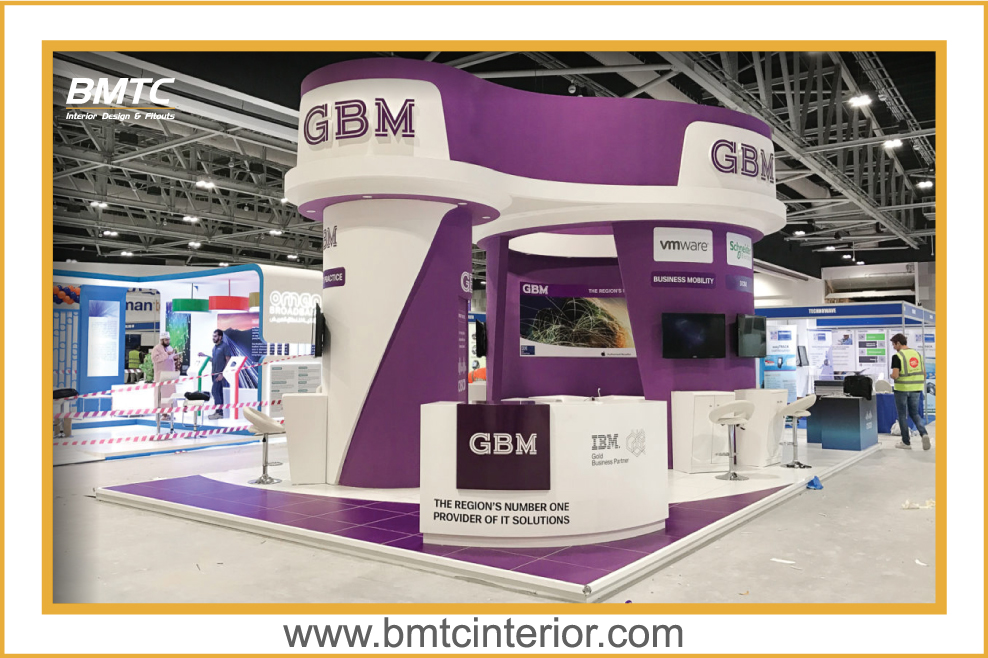
Scene setting for meeting rooms and presentation areas, daylight-linked dimming along perimeter zones, and occupancy-based switching in low-traffic areas.
Meeting Room AV & Video Conferencing
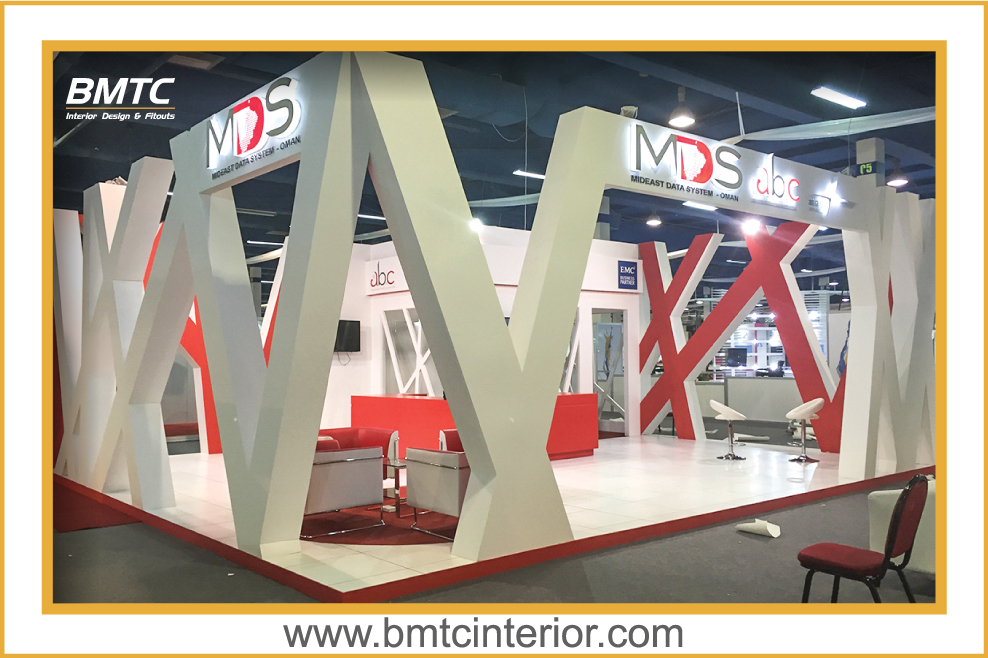
Displays, cameras, audio, control panels and cable management designed into the room so hybrid meetings run without technical fuss.
Access Control & Visitor Management
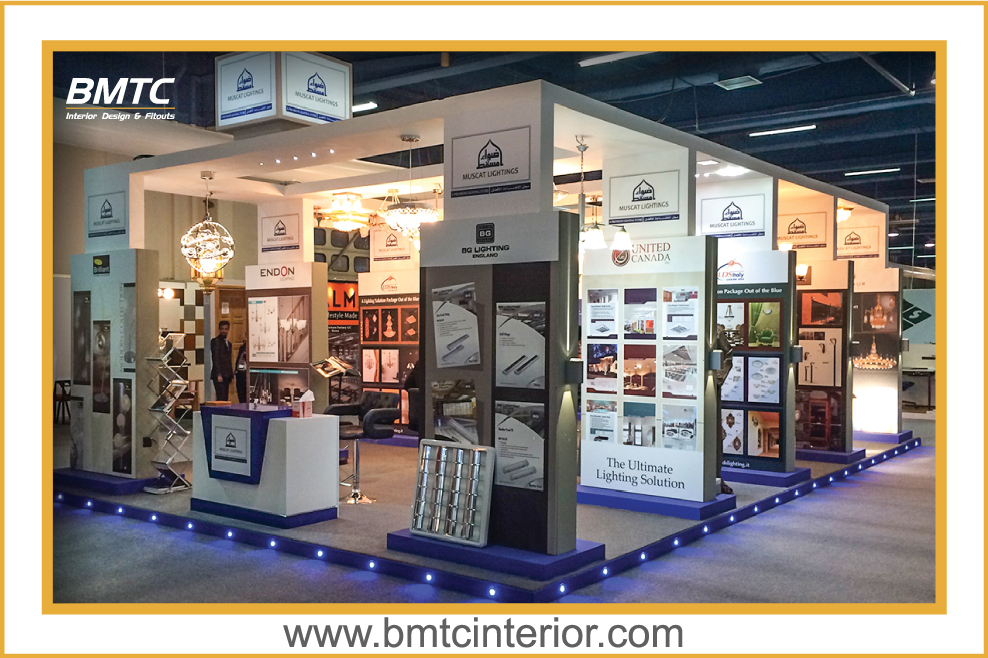
Door readers, turnstiles, visitor sign-in and integration with lifts or car park barriers, planned alongside reception joinery and power locations.
Room Booking & Scheduling
Wall-mounted booking panels and calendar integration so meeting rooms are visible, bookable and used efficiently.
Climate Zoning & Environmental Sensing
Per-zone thermostats and sensors combined with the HVAC design so different areas can be controlled independently of one another.
Occupancy Sensing & Workplace Data
Desk, room and environmental sensing that shows how spaces are genuinely used, supporting future layout and investment decisions.
Structured Cabling & Network Infrastructure
Data cabling, containment, floor boxes, ceiling access and equipment locations planned so smart devices have somewhere sensible to live.
Digital Signage & Workplace Displays
Screens for reception, lift lobbies and staff areas, positioned and powered so cable routing stays invisible within the interior design.
Components That Make an Office Smart
The practical building blocks — and what each one is used for
Smart Lighting Control
Lighting control systems that allow scenes, dimming and schedule-based operation across zones. Typically the most visible and most requested smart feature in an office.
Occupancy & Daylight Sensors
Ceiling and wall sensors that detect presence and ambient light levels. They reduce unnecessary lighting and cooling in rooms that are not in use.
Access Control Hardware
Card, fob or mobile readers at doors, turnstiles and secure areas. Integrated with reception and lifts where access needs to be managed centrally.
Meeting Room AV
Displays, cameras, microphones, speakers and control panels. Specification depends on room size, seating layout and whether hybrid meetings are a priority.
Room Booking Panels
Small touchscreens outside meeting rooms showing availability and allowing on-the-spot booking. Connected to shared calendars.
Climate Controllers & Thermostats
Zone-level temperature control paired with the HVAC design so different rooms can be set independently of each other.
Structured Cabling & Containment
Data cabling, trays, trunking and floor boxes. The invisible backbone that smart devices rely on and that is far easier to install during fit-out than afterwards.
Wireless Access Points & Network Equipment
Ceiling-mounted access points and comms room equipment, positioned so coverage is even and cable routing stays neat.
Environmental Sensors
Temperature, humidity, CO₂ and air-quality sensors that feed into building control and inform decisions about ventilation and comfort.
Why Businesses Choose BMTC for Smart Office Solutions
A design-led approach to workplace technology that stays maintainable and usable
Designed With the Interior
Systems are planned into the drawings so outlets, sensors, displays and control points sit where they are actually needed.
Practical Specification
Technology is selected around how your team actually works, not around a feature list. We identify what is genuinely useful and what can be left out.
Coordinated Delivery
Smart systems, MEP, ceilings, joinery and cabling are coordinated under one programme so installation works and there are no gaps between trades.
Retrofit Where Sensible
If a full rebuild is not required, we review which smart systems can be introduced into an existing office without disrupting operations.
Clear Documentation
You receive a written scope listing the systems, device locations and integration points, so the whole installation can be understood and maintained.
Future-Ready Foundations
Cabling, containment and ceiling access are planned with room to expand, so adding a device or system later does not mean opening up finished ceilings.
Our Smart Office Delivery Process
A structured route from first enquiry to a commissioned, working system
Discovery
Understand how your teams use the office, what problems need solving and what is currently in place
Site Review
Assess existing services, ceiling voids, power and containment, and any landlord constraints
Scope & Specification
Define the systems, device locations, integration points and infrastructure requirements
Design & Coordination
Integrate smart systems with layout, lighting design, ceilings, joinery and MEP drawings
Quotation & Approval
Itemised scope and pricing for review and sign-off
Installation
First-fix containment and cabling, then second-fix devices coordinated with finishes
Commissioning
Systems tested, configured and demonstrated to your team before handover
Office Interiors With Integrated Technology
A selection of completed office environments. View more in our project gallery.
Smart Office Solutions Across Oman
Based in Al Ghubrah, Muscat, and working with businesses throughout the Sultanate
Smart offices in Muscat
Muscat's commercial office market includes purpose-built towers, converted villas and refurbished low-rise premises, each with a different starting point for smart technology. A tower may already have building management, structured cabling and controlled access in place, while a converted villa may need the infrastructure building from scratch. In Al Khuwair, Ruwi, Qurum, Bawshar and Ghubrah we regularly work on occupied offices where the priority is improving the workplace without closing the business.
Working outside Muscat
For projects in Sohar, Sur, Nizwa, Salalah and Ibri, smart office scope and infrastructure requirements are agreed in advance so that site time is used efficiently. Travel and access arrangements are confirmed at quotation stage. Further detail on our related office services is available on our office interior design in Oman and commercial office interior design pages.
Explore More BMTC Services & Pages
Smart office technology is usually delivered as part of a wider fit-out or refurbishment programme
Smart Office Solutions Frequently Asked Questions
Practical answers for businesses planning a smart office project in Oman. More general questions are answered on our FAQ page.
What is a smart office?
A smart office is a workplace where lighting, climate, access, meeting rooms and shared services are controlled through connected systems rather than through separate switches, remotes and manual processes. The technology is designed in alongside the interior rather than added afterwards.
What does a smart office typically include?
The most common layers are lighting control, meeting room AV and video conferencing, access control and visitor management, climate zoning, room booking, occupancy sensing, structured cabling and digital signage. Most offices start with a subset and expand over time rather than installing everything at once.
Can smart technology be retrofitted into an existing office?
Often, yes. Lighting control, room booking, access control and wireless infrastructure can frequently be retrofitted using existing containment and ceiling access. Systems that require significant cabling through finished walls or ceilings are more disruptive and are usually planned around other works.
Do smart office systems need special wiring?
They need proper wiring. Most smart devices rely on data, low-voltage control or power cabling, plus containment and ceiling access. Getting the cabling and power locations right at the design stage is what makes smart systems work cleanly, and it is far easier to install during a fit-out than afterwards.
Will smart office technology work with our existing IT and network?
In most cases yes, but the network has to be planned to support it. Wi-Fi coverage, VLAN separation for building systems, PoE capacity and access point locations all matter. Where there is an existing IT standard or security policy, we work within it and coordinate with your IT team.
Will the systems become obsolete quickly?
Device choice matters, but the bigger factor is the infrastructure. Cabling, containment and ceiling access are what make systems easy to upgrade later. If those are done properly, replacing or adding devices in the future is a much smaller task.
Can you work with our existing technology suppliers?
Yes. Where an organisation already has a preferred vendor, integrator or IT partner, we coordinate with them on infrastructure, locations and installation sequencing. Where there is no existing provider, we specify at a category level and can introduce suitable suppliers.
How much does a smart office cost in Oman?
Cost depends on the area, the number of rooms, the number of systems specified, the level of integration required and how much infrastructure has to be built. There is no meaningful per-square-metre figure that applies to every office. We provide a quotation after reviewing the space and agreeing the scope.
How long does a smart office project take?
Timelines vary with the size of the office, the number of systems, device lead times and whether the office is occupied during works. When smart systems form part of a fit-out, the technology programme runs alongside the construction programme. A realistic programme is confirmed with the quotation.
Will smart office work disrupt our staff?
Where possible, works are phased around your operating hours and the noisiest activities are scheduled outside peak times. Some tasks, such as first-fix cabling in occupied ceilings or door hardware replacement, are more disruptive and are planned in advance with your facilities team.
Do you work outside Muscat?
Yes. BMTC is based in Al Ghubrah, Muscat, and works across Oman, including Seeb, Al Khuwair, Ruwi, Bawshar, Qurum, Ghubrah, Sohar, Sur, Nizwa, Salalah and Ibri. Travel and site access are discussed at quotation stage.
How do we start a smart office project?
Contact BMTC by phone, WhatsApp or email with a short description of your office and the outcome you want. We will review the space, discuss the systems that make sense and provide a written scope with a quotation for your approval.
Let's Plan Your Smart Office
Tell us about your office and what you want to achieve. BMTC will review the space and come back with a clear, itemised proposal for smart office solutions in Oman.