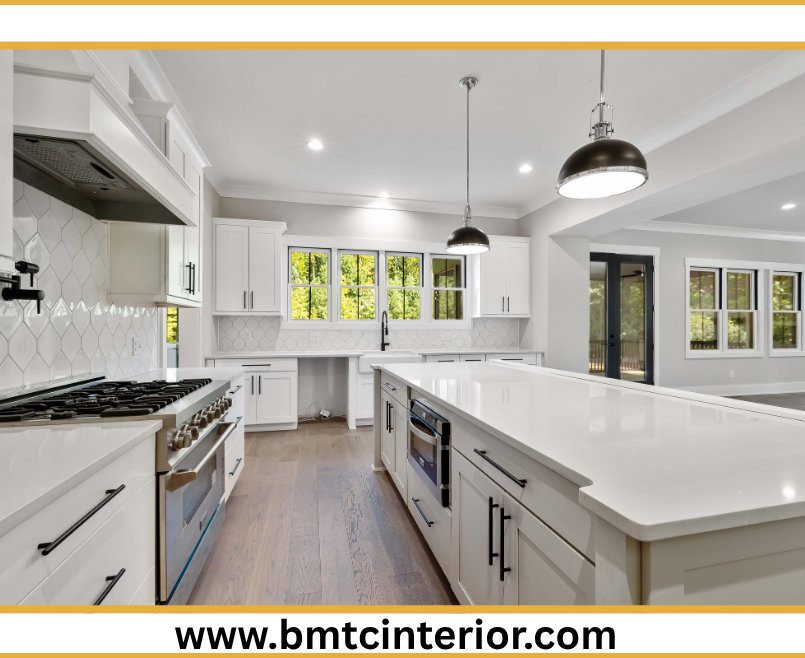
The world of interior design has evolved dramatically, and nowhere is this more evident than in Oman. Today, clients expect more than sketches and mood boards—they want to see their future spaces before construction begins. This is where 3D interior design comes into play. By offering realistic visualizations, interior design firms can bridge the gap between imagination and reality. In Muscat, BMTC Interior Design & Fitouts has become a leader in this field, combining creativity, technology, and local expertise to deliver exceptional results. Whether it’s a luxury villa, a corporate office, or a retail outlet, BMTC ensures that every project is brought to life through advanced 3D visualization.
What is 3D Interior Design?
3D interior design refers to the use of computer-generated imagery (CGI) to create realistic models of interior spaces. Unlike traditional 2D drawings, 3D design allows clients to walk through their future homes or offices virtually, experiencing the layout, lighting, textures, and furniture placement in detail. This technology has transformed the way interior designers work, offering clarity, precision, and creativity. In Oman, where architectural styles blend modern influences with cultural heritage, 3D interior design helps firms like BMTC showcase how traditional motifs can be integrated seamlessly into contemporary spaces.
Why 3D Interior Design Matters in Oman
Oman’s urban landscape is rapidly changing, with Muscat at the center of development. New residential complexes, shopping malls, and corporate offices are emerging, and clients want assurance that their investments will meet expectations. 3D interior design provides that confidence. For homeowners, it means visualizing their dream villa before construction. For businesses, it ensures that office layouts enhance productivity and brand identity. BMTC understands the local context—Omani clients value designs that respect tradition while embracing modernity. Through 3D visualization, BMTC demonstrates how cultural elements like Arabic calligraphy or traditional woodwork can be incorporated into sleek, modern interiors.
How 3D Interior Design Works (Step-by-Step Explanation)
The process of 3D interior design involves several stages, each designed to bring clarity and precision to the project.
First, the design team consults with the client to understand their vision, requirements, and budget. This initial stage is crucial because it sets the foundation for the entire project. BMTC’s consultants in Muscat spend time discussing lifestyle needs, brand identity, and functional requirements.
Next, designers create conceptual layouts and mood boards. These are then translated into 3D models using advanced software. Clients can view their spaces virtually, exploring different angles, lighting conditions, and material finishes. This immersive experience allows them to make informed decisions.
Once the design is approved, BMTC integrates the visualization into the execution phase. The 3D model serves as a blueprint for contractors, ensuring accuracy and reducing errors. Finally, project management ensures that the actual construction matches the approved design, delivering a seamless experience from concept to completion.
Key Benefits of 3D Interior Design
The advantages of 3D interior design are immense. Firstly, it eliminates guesswork. Clients no longer have to imagine how a space will look—they can see it in detail. Secondly, it reduces costly mistakes. By visualizing layouts and finishes beforehand, clients can avoid changes during construction. Thirdly, it enhances creativity. Designers can experiment with multiple styles, colors, and materials, giving clients a range of options. In Oman, where cultural sensitivity is important, 3D design allows BMTC to demonstrate how traditional elements can coexist with modern aesthetics. Finally, it improves communication. Clients, designers, and contractors all work from the same visual reference, ensuring alignment and efficiency.
Real Project Insight (BMTC Experience)
BMTC Interior Design & Fitouts has successfully implemented 3D interior design in numerous projects across Muscat. One notable example is a luxury villa project where the client wanted a blend of modern minimalism with Omani heritage. BMTC created a 3D model showcasing sleek furniture, neutral tones, and traditional wooden carvings. The client was able to walk through the villa virtually, approving every detail before construction. Another project involved a corporate office where branding was key. BMTC used 3D visualization to integrate signage, color schemes, and layouts that reflected the company’s identity. These real-world experiences highlight BMTC’s expertise and authority in delivering 3D interior design solutions that meet client expectations.
Common Mistakes to Avoid
While 3D interior design offers immense benefits, there are common mistakes clients should avoid. One mistake is relying solely on visuals without considering functionality. A design may look stunning but fail to serve practical needs. Another mistake is ignoring cultural context. In Oman, designs that overlook traditional elements may feel disconnected. Clients also sometimes underestimate the importance of professional execution, assuming that 3D models guarantee results. Without proper project management, even the best designs can fail. BMTC helps clients avoid these pitfalls by combining visualization with turnkey solutions, ensuring that designs are both beautiful and functional.
| Feature | Traditional Approach | Modern BMTC Approach |
|---|---|---|
| Design | 2D sketches, limited imagination | Realistic 3D visualization with cultural integration |
| Execution | Risk of miscommunication, errors | Seamless alignment between design and construction |
| Result | Functional but uncertain outcomes | Elegant, precise, and client-approved spaces |
Why Choose BMTC Interior Design & Fitouts
BMTC stands out among interior design companies in Muscat for its holistic approach. The firm offers turnkey execution, meaning clients don’t have to coordinate multiple contractors. Its professional team brings expertise across sectors, from residential villas to retail outlets. With deep knowledge of the Omani market, BMTC integrates design with branding, offering signage and exhibition solutions alongside interiors. This combination of creativity, technology, and local expertise makes BMTC the preferred choice for clients seeking reliable 3D interior design solutions in Oman.
FAQs
Q1: What is 3D interior design? It is the use of computer-generated models to visualize interior spaces before construction.
Q2: Why is 3D interior design popular in Oman? It helps clients visualize projects, avoid mistakes, and blend modern design with Omani traditions.
Q3: Does BMTC provide 3D visualization for both residential and commercial projects? Yes, BMTC offers 3D design solutions for villas, offices, retail outlets, and more.
Q4: How does 3D interior design save costs? By identifying issues before construction, it reduces changes and prevents expensive mistakes.
Q5: Can BMTC integrate branding into 3D interior design? Absolutely. BMTC specializes in combining interior design with signage and branding solutions.
Conclusion
3D interior design has revolutionized the way spaces are planned and executed in Oman. By offering realistic visualizations, it empowers clients to make informed decisions and ensures that projects meet expectations. BMTC Interior Design & Fitouts in Muscat has mastered this art, combining technology with cultural sensitivity to deliver exceptional results. Whether it’s a luxury villa or a corporate office, BMTC ensures that every project reflects elegance, functionality, and brand identity.