Many people associate interior design with beautiful furniture, stylish color schemes, and decorative accessories. While aesthetics are certainly important, the true value of interior design goes far beyond appearance. It is a professional discipline that focuses on creating spaces that are functional, comfortable, safe, and visually appealing. Whether it is a home, office, retail store, restaurant, or hotel, the way a space is designed has a direct impact on how people feel and interact within that environment.
A thoughtfully planned interior can improve productivity, enhance well-being, maximize space utilization, and even increase property value. As modern lifestyles continue to evolve, more homeowners and businesses are recognizing the importance of professional design solutions. Understanding why interior design is important helps people appreciate how strategic planning and creativity work together to create environments that support both practical needs and personal preferences.
Enhances Functionality and Space Utilization
One of the primary reasons interior design is important is its ability to improve functionality. Every space is designed for a specific purpose, and a well-planned environment ensures that purpose is achieved efficiently. professional designers analyze room layouts, furniture arrangements, storage requirements, and traffic flow patterns to create spaces that support daily activities while minimizing clutter and inefficiencies.
Effective space planning also helps maximize the value of available square footage. Whether working with a compact apartment, a family home, or a commercial property, designers use creative solutions to ensure every area serves a meaningful purpose. This results in environments that are easier to navigate, more comfortable to use, and better suited to the needs of occupants.
Improves Comfort and Quality of Life
A well-designed space plays a significant role in improving overall comfort and quality of life. Elements such as lighting, ventilation, furniture placement, acoustics, and color selection influence how people experience a room on a daily basis. Professional designers carefully consider these factors to create environments that support relaxation, convenience, and emotional well-being.
Comfortable spaces can have a positive impact on both physical and mental health. In residential settings, thoughtfully designed interiors help families enjoy a more relaxing and enjoyable living experience. In workplaces, comfortable environments contribute to greater employee satisfaction and improved performance. By focusing on human needs, interior design helps create spaces that support a healthier and more balanced lifestyle.
Reflects Personality and Individual Style
Every person has unique preferences, tastes, and lifestyle requirements. One of the most valuable aspects of interior design is its ability to transform those preferences into a personalized environment. Through the careful selection of colors, materials, textures, furniture, and decorative elements, designers create spaces that reflect the personality and identity of the people who use them.
A customized interior goes beyond aesthetics by creating a stronger emotional connection between occupants and their surroundings. When a space reflects personal style and values, it often feels more welcoming, comfortable, and meaningful. This personalized approach helps ensure that each environment is both visually attractive and uniquely tailored to its users.
Strengthens brand identity for Businesses
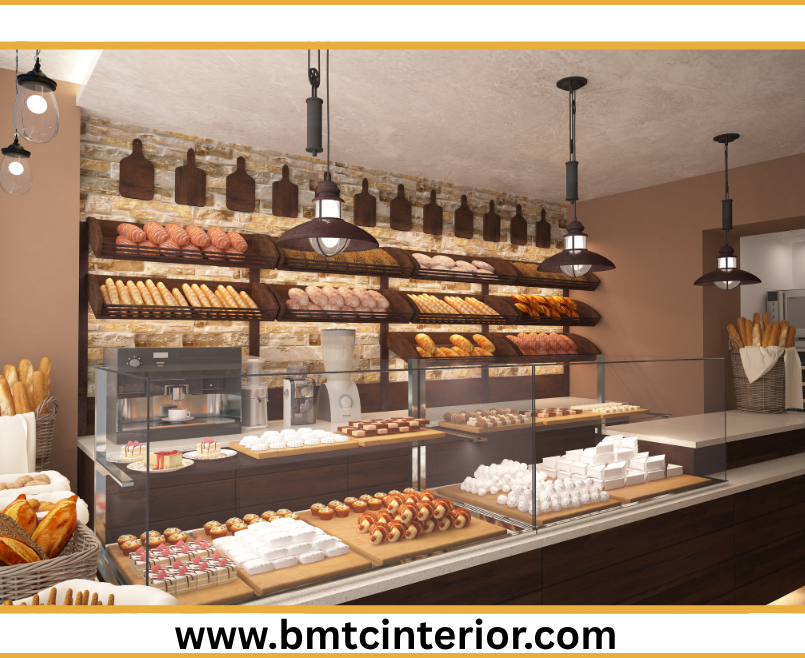
For businesses, interior design is an essential tool for communicating brand identity and creating memorable customer experiences. The appearance and atmosphere of a commercial space often shape a customer’s first impression of a company. A professionally designed office, retail store, restaurant, or hospitality venue can reinforce brand values while building trust and credibility.
Strategic use of colors, layouts, materials, and visual elements helps businesses create environments that align with their mission and target audience. A strong connection between brand identity and physical space can improve customer engagement, increase loyalty, and contribute to long-term business success. This is why many organizations view professional design services as a valuable investment rather than an optional expense.
Conclusion
Every design decision, from layout planning to material selection, contributes to the overall usability and visual appeal of a space. Understanding why interior design is important helps highlight its impact on both residential and commercial environments. Beyond improving appearance, professional design solutions enhance functionality, support comfort, increase property value, and create spaces that reflect personal or business identities.
As modern lifestyles and workplace requirements continue to evolve, the demand for thoughtfully designed environments is growing rapidly. Whether creating a comfortable home, a productive office, or an engaging customer experience, professional interior designers play a crucial role in transforming ordinary spaces into environments that support well-being, efficiency, and long-term success.
Frequently Asked Questions (FAQs)
What is the main purpose of interior design?
The main purpose of interior design is to create spaces that are functional, comfortable, safe, and visually appealing while meeting the needs of occupants.
Why is interior design important in homes?
It helps improve comfort, maximize available space, enhance aesthetics, and create a living environment that reflects personal style and lifestyle needs.
How does interior design increase property value?
A well-designed property often attracts more buyers and tenants because it offers better functionality, modern aesthetics, and improved usability.
Why is interior design important for businesses?
Professional design helps strengthen brand identity, improve customer experiences, and create productive environments for employees.
Can interior design improve productivity?
Yes. Well-planned spaces with proper lighting, ergonomic furniture, and efficient layouts can significantly improve focus, productivity, and workplace satisfaction.
How does interior design support well-being?
Thoughtful use of natural light, ventilation, colors, and comfortable furnishings can reduce stress and promote better physical and mental well-being.
Is interior design only about decoration?
No. It involves space planning, functionality, safety, lighting, materials, and overall user experience, not just decoration.
What are the benefits of hiring an interior designer?
An interior designer can save time, prevent costly mistakes, optimize space, and create a customized environment that meets specific needs.