Oman’s cafe culture is experiencing a remarkable transformation. Cafes across Muscat, Salalah, Sohar, and Nizwa have evolved from simple coffee outlets into vibrant social hubs where creativity, connection, and community thrive. From stylish interiors and artisanal menus to cultural events and social gatherings, these establishments are shaping the way people live, interact, and express themselves.
For cafe owners operating within compact footprints, the challenge is unique. Limited square footage, rising rents in prime locations like Al Mouj and Avenues Mall, and the constant pressure to create inviting atmospheres demand creative solutions. Yet small spaces offer extraordinary opportunities for innovation and efficiency. With the right Oman cafe interior design approach, even the most modest cafe can feel open, welcoming, and highly functional.
This guide presents practical interior design tips for creating small and stylish cafe spaces in Oman. From strategic space planning to lighting, materials, and branding, these insights will help you maximize every square meter while delivering exceptional customer experiences that keep guests coming back.
Why Small Space cafe design Matters in Oman
Designing a cafe in a compact area requires careful planning. Every square meter counts, and professional design ensures the space feels open, inviting, and functional without sacrificing style.
Oman’s younger population, influenced by global trends and digital lifestyles, has embraced cafes as spaces for both leisure and productivity. These cafes are not simply about serving coffee; they offer a complete lifestyle experience with cozy seating, themed decor, and an emphasis on customer satisfaction. Whether students are working on projects, professionals are holding informal meetings, or friends are celebrating milestones, cafes have become versatile spaces catering to diverse needs.
The rise of remote work and freelancing has further expanded the role of cafes in daily Omani life. Many young Omanis are embracing flexible work setups, and cafes provide the ideal environment with free Wi-Fi, comfortable seating, and productive atmospheres. A cafe that doubles as a workspace needs thoughtful design that accommodates both socializing and focused work without compromising either experience.
Research consistently shows that well-designed commercial interiors improve customer engagement, optimize space utilization, and strengthen brand identity. For cafes in Oman, a professionally designed space creates the “Instagram-worthy” appeal that drives social media sharing, attracts new customers, and builds lasting brand recognition.
Essential Oman Cafe Interior Design Tips for Small Spaces
Creating a small cafe that delivers exceptional customer experiences requires attention to several critical design elements:
1. Strategic Space Planning and Smart Layouts
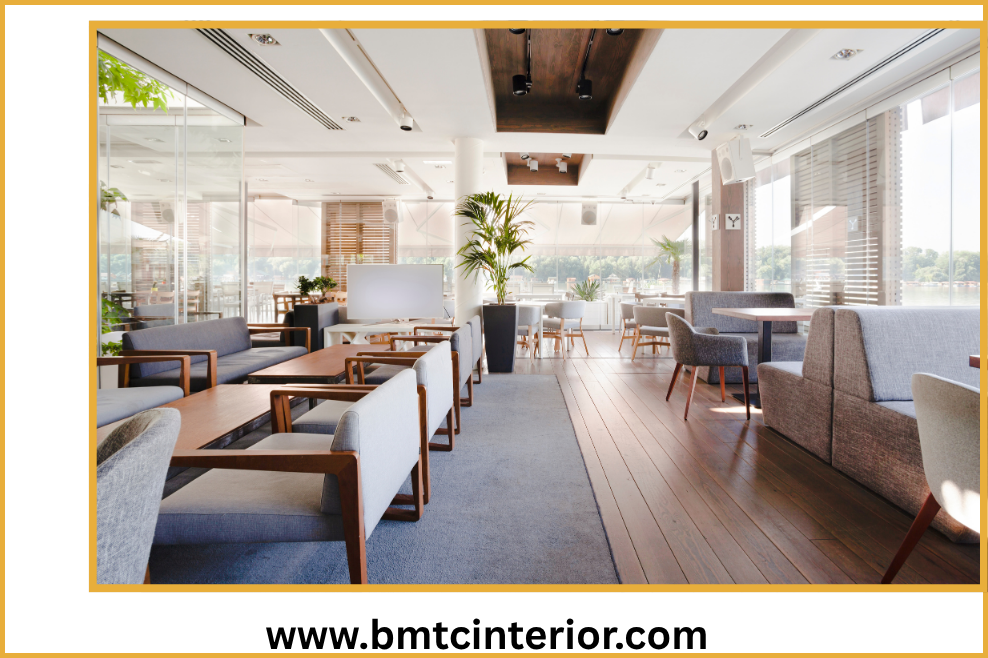
Effective space planning ensures every square meter serves a purpose. efficient seating layouts maximize capacity while maintaining guest comfort. Thoughtful zoning divides spaces into areas for working, socializing, and quiet time, reflecting how cafe culture adapts to different needs throughout the day.
Wide primary pathways ensure smooth traffic flow for guests and service staff. Strategically positioned focal points—such as feature walls, dramatic lighting installations, or hero product displays—create visual anchors that draw attention and enhance the dining experience. Optimized storage for ingredients, equipment, and supplies ensures smooth operations without cluttering guest areas.
Flexible seating arrangements accommodate different group sizes and dining occasions. Banquette seating maximizes capacity while creating intimate dining nooks. Modular furniture allows spaces to adapt easily between solo work sessions and larger group gatherings.
2. Lighting That Expands Perceived Space
Lighting distinguishes exceptional cafes from ordinary coffee shops more than any other single element. Professional lighting design shapes mood, highlights architectural features, and influences how long guests choose to linger.
Warm ambient lighting creates welcoming, relaxed atmospheres conducive to conversation and enjoyment. Strategic accent lighting draws attention to hero products, architectural details, and design features. Task lighting illuminates work areas sufficiently for guests who read, study, or use laptops.
Dynamic lighting systems that adapt throughout the day offer exceptional flexibility. Brighter settings during morning hours energize the space for early risers. Warmer, dimmer tones during evening hours create intimate, relaxing atmospheres that encourage lingering and higher spend.
For small cafes, proper lighting is particularly crucial. Well-placed mirrors, combined with strategic lighting, enhance the perception of space and make compact areas feel significantly larger.
3. Color Schemes That Make Small Spaces Feel Bright and Spacious
Color psychology plays a crucial role in small cafe interior design. Light, neutral color schemes create open, airy atmospheres that make compact areas feel significantly larger. Neutral tones serve as versatile backdrops, allowing products and design elements to stand out without overwhelming guests.
For cafes in Oman, warm neutrals like soft beige, warm grey, and ivory work particularly well. These colors reflect natural light effectively and create serene environments that encourage relaxed browsing. Color schemes that make small areas feel bright and spacious enhance the overall customer experience.
Cool colors like blue and green promote calmness and encourage longer stays. These shades work well in specialty cafe environments where guest relaxation supports productivity and conversation.
Accent colors add personality without sacrificing the spacious feel. The integration of royal blue throughout cafe designs—drawing inspiration from the natural vibrancy of Lapis Lazuli, the azure waters of Oman’s coastline, and deep cultural associations with nobility—creates psychological anchors that evoke trust, wisdom, and luxury.
4. Material Selection for Comfort, Durability, and Style
Selecting finishes that balance aesthetics, comfort, and durability requires careful consideration. Premium cafe design employs materials that create sophisticated environments while withstanding high foot traffic, frequent cleaning, and the demands of commercial operations.
Durable and easy-to-clean surfaces are essential for commercial cafe environments. Natural stone, matte lacquers, brushed metals, and textured wallcoverings offer visual richness without visual noise. These materials add depth and dimension while remaining subtle enough to let the cafe experience shine.
Compact and stylish furniture pieces maximize space while maintaining elegance. Lightweight, ergonomically friendly, and stackable furniture works well for spaces where customers linger for hours.
Omani cafes increasingly integrate natural fabrics, ethnic ornaments, and expressive wall decor that reflect cultural heritage while feeling sustainable, personal, and memorable. This fusion of tradition and modernity creates spaces that resonate with both locals and visitors.
5. Acoustics: The Overlooked Experience Factor
One of the most critical yet frequently overlooked elements of cafe design is acoustics. Beautiful interiors and excellent coffee mean little if customers leave after one visit because the space was too loud.
Hard interior surfaces—exposed concrete, polished tiles, glass storefronts, and wooden or marble tabletops—reflect sound rather than absorbing it. Double-height ceilings, a popular design feature in premium cafes, create massive acoustic problems as sound travels upward, reflects, and returns with a delay.
Professional acoustic solutions compatible with beautiful design include suspended acoustic panels in timber, felt, fabric, or composite finishes, and vertical baffles that dramatically reduce reverberation time. The ideal acoustic environment creates what designers call the “pleasant murmur”—a comfortable ambient sound level that generates energy without making conversation effortful.
6. Blending Omani Heritage with Contemporary Design
One of the standout features of modern cafes in Oman is their attention to design that blends local heritage with contemporary touches. Many cafes incorporate elements of Omani architecture, creating a fusion that resonates with both tradition and modernity.
From fortress-inspired atmospheres that feel contemporary and elegant to spaces adorned with traditional Arabic calligraphy and intimate seating areas, Omani cafes are pushing creative boundaries. Ornate mashrabiya screens, traditional patterns reinterpreted in modern materials, and local stone finishes create authentic connections to Omani culture while maintaining contemporary appeal.
The interiors often feature warm lighting, artistic wall art, indoor plants, and minimalist furniture that encourage relaxation and conversation. Each cafe seems to have its own personality—some lean toward rustic themes, others adopt urban industrial vibes, while many prefer chic elegance.
This thoughtful cultural integration creates dining spaces that feel authentic, personal, and deeply connected to Omani identity.
7. Instagrammable Design That Drives Social Media Marketing
Modern cafes increasingly embrace “Instagram-worthy” design as both aesthetic and marketing tools. Visually appealing decor, unique themes, and creative menu offerings attract customers who share their experiences on social media. From colorful murals and quirky installations to minimalist designs and luxurious interiors, Instagrammable cafes are pushing the boundaries of what a traditional cafe should look like.
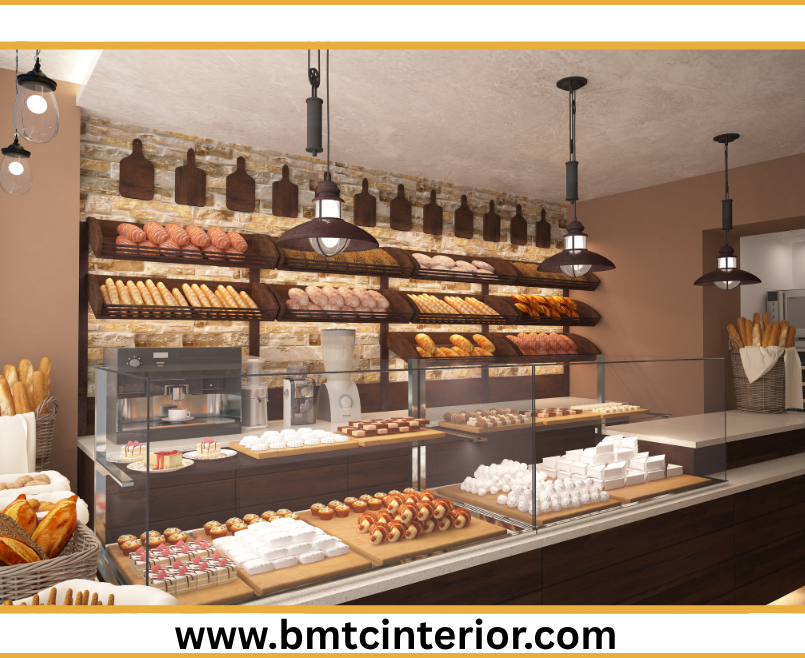
For small cafes, creating shareable moments within limited square footage requires creativity. Feature walls with striking murals, eye-catching lighting installations, and beautifully presented food and beverage displays provide natural photo opportunities that encourage organic marketing.
This emphasis on design and ambience has turned cafes into Instagram-worthy spots, adding to their popularity among young people who value experiences that are visually appealing and memorable.
8. Biophilic Design: Bringing Nature Indoors
Biophilic design—incorporating natural elements into interior spaces—has emerged as a significant trend in cafe design. Indoor plants, living walls, and natural materials create calming environments that reduce stress and enhance well-being.
For small cafes, biophilic elements offer particular benefits. Indoor plants improve air quality, create visual interest, and make compact spaces feel more open and inviting. Natural materials like wood, stone, and rattan add warmth and texture without overwhelming the space.
Biophilic features such as indoor plant walls, organic-shaped seating layouts, and natural light maximization through strategic window placement create welcoming atmospheres that encourage longer stays.
9. Functional Workflow for Staff Efficiency
Behind every stylish cafe lies efficient operational design. Functional workflow for staff ensures smooth customer experiences and supports business profitability.
Kitchen and service areas must be positioned to minimize travel distances, ensuring hot food and beverages reach tables promptly. Optimized storage for ingredients, equipment, and supplies keeps operations running smoothly without cluttering guest areas.
For small cafes, every square meter must serve dual purposes. Counters with built-in storage, mobile equipment that can be repositioned as needed, and compact kitchen layouts that maximize efficiency without compromising service quality are essential considerations.
Navigating Local Regulations and Approvals
Cafe interior design in Oman involves navigating specific regulatory requirements that owners cannot afford to overlook. Professional design must comply with Muscat Municipality and Civil Defence regulations to create safe, compliant, and engaging spaces.
Key requirements include Civil Defence fire safety clearance with extinguishers, emergency exits marked, smoke detection, fire-resistant materials, evacuation plans, and staff training. Commercial kitchen areas must include automatic fire suppression systems over all cooking equipment, Class K fire extinguishers within 30 feet of cooking areas, emergency lighting and exit signs, and smoke and heat detection systems.
Additionally, cafes require Commercial Registration from the Ministry of Commerce, Industry, and Investment Promotion, a Municipality Trade License, and a Food Safety Permit from the Ministry of Health. Cafes must be established in suitable locations with a minimum area of not less than 60 square meters.
Experienced interior contractors understand this regulatory landscape intimately. Professional fitout contractors handle complex paperwork and permitting processes, saving cafe owners from costly delays and compliance headaches.
The BMTC Advantage for Small Cafe Projects in Oman
Established in Muscat in 2008, BMTC Interior Design & Fitouts has spent over 15 years delivering exceptional commercial interior design solutions across Oman. With a proven track record of completing over 500 commercial projects across seven cities, BMTC has earned a reputation as one of Muscat’s most trusted commercial interior contractors.
Smart Coffee Shop Designs for Small Spaces
BMTC creates smart coffee shop designs for small spaces in Oman that maximize functionality, style, and comfort. The company’s approach ensures that each cafe not only looks stylish but also supports smooth operations and a comfortable customer experience.
Turnkey Project Delivery
Cafe projects involve many technical layers—design, approvals, construction, branding, and engineering. BMTC simplifies this process through seamless coordination from concept design to final handover. This streamlined approach allows owners to focus on culinary excellence while professionals handle every aspect of cafe development.
In-House Execution Capabilities
Civil works, joinery, MEP engineering, and branding services operate under unified management. This integration ensures consistent quality, cohesive project timelines, and seamless communication throughout every project phase. Custom counters, seating, shelving, and feature walls receive meticulous craftsmanship in BMTC’s fully equipped joinery facility.
Bespoke Branding and Signage Solutions
Custom signage, illuminated displays, and 3D branding elements align perfectly with the cafe’s architectural language. From entrance statements to interior wayfinding, every brand touchpoint reinforces identity while maintaining guest focus. BMTC’s LED display board designs are seen across leading cafes and hospitality venues in Muscat, Seeb, Sohar, Nizwa, Barka, Qurum, and Ruwi.
Authority Approval Management
Navigating Muscat Municipality and Civil Defence regulations presents significant challenges for cafe developers. BMTC handles all necessary permits and compliance documentation, eliminating administrative burdens and preventing costly project delays. Every project begins with a physical site visit—whether a cafe in Lamar Business Center, a retail unit at Mall of Oman, or a venue in Al Mouj.
Frequently Asked Questions About Cafe Interior Design for Small Spaces in Oman
Q: How can I make my small cafe feel bigger?
Use light colors, glass partitions, and strategic lighting to expand the space visually. Vertical shelving keeps floor areas clear, while mirrors reflect light and create the illusion of additional square footage. Professional interior design ensures every element works together to maximize perceived space.
Q: What is the best layout for a very small cafe space?
Multi-functional furniture and vertical display systems maximize every square meter. Efficient seating layouts, optimized storage, and eye-catching interior design that reflects your brand create functional and inviting spaces. Open shelving paired with warm lighting balances openness with product abundance.
Q: Is minimalist design practical for small cafe spaces?
Yes. Minimalist shelving creates a clutter-free look, making cafes visually larger and easier to navigate. Vertical displays can boost perceived space by up to 40%. Minimalist design delivers beauty, efficiency, and functionality in compact environments.
Q: What are the current cafe design trends in Oman?
Current trends focus on sustainable materials, natural textures, and seamless indoor-outdoor connections. Biophilic design, Instagrammable spaces, and Omani heritage integration are increasingly popular. Neutral tones like beige, grey, and white dominate, promoting calm, openness, and sophistication.
Q: How much does small cafe interior design cost in Oman?
Costs vary based on space size, material selection, and project complexity. Investing in professional design delivers significant returns through increased sales, improved customer experience, and stronger brand loyalty. BMTC provides transparent pricing and comprehensive turnkey solutions.
Q: Why choose BMTC for small cafe interior design in Oman?
BMTC combines 15+ years of Omani market expertise with comprehensive in-house capabilities spanning design, joinery, MEP engineering, and branding. Their turnkey project delivery, authority approval management, and unwavering commitment to quality ensure exceptional cafe results.
Transform Your Small Cafe into a Stylish Destination Today
Your cafe environment communicates your brand’s commitment to quality, attention to detail, and respect for guests before a single cup is poured. Investing in professional cafe interior design in Oman positions your business for sustained growth and market leadership in the Sultanate’s thriving hospitality sector.
Do not allow limited square footage to limit your business potential. BMTC Interior Design & Fitouts possesses the expertise, resources, and local knowledge to transform your small cafe into a destination that captivates customers, encourages loyalty, and drives business growth.
Ready to create a small cafe that delivers exceptional customer experiences?
📞 Call BMTC today at +968 9723 9729
📧 Email: sales@bmtcinterior.com
📍 Visit their showroom at Lamar Business Center, Al Ghubrah Street, Muscat 111, Oman
Let BMTC create a stylish cafe that elevates your brand and keeps customers coming back across Oman’s evolving market.