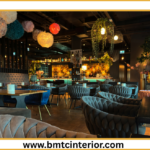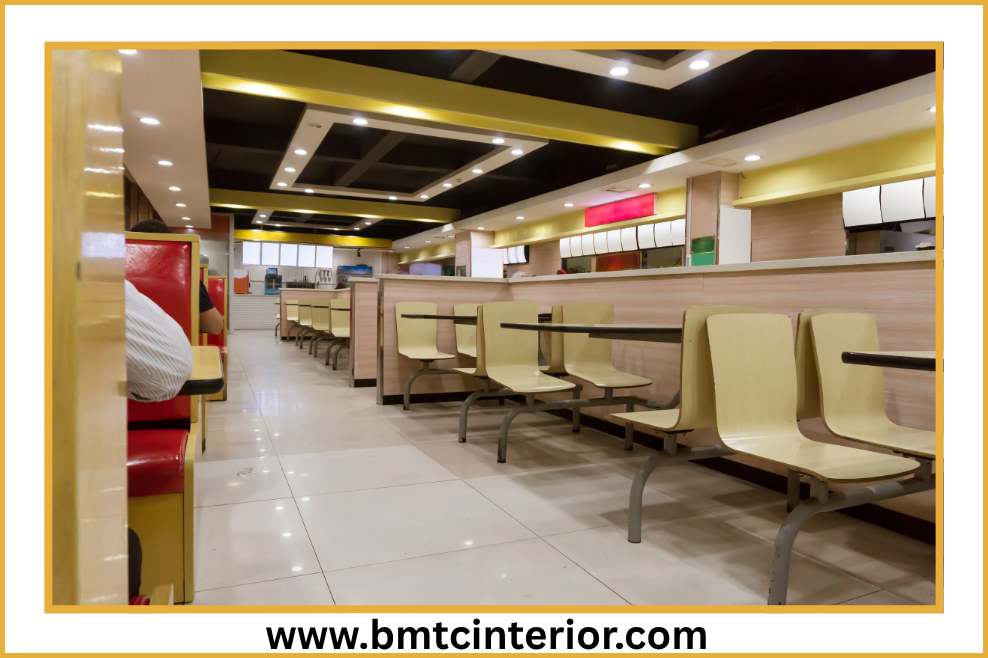
Oman’s cafe and restaurant scene has transformed dramatically in recent years. Cafes are no longer basic outlets with simple tables and chairs—they are creative environments designed to inspire. From the stylish interiors of Italian Barrista Cafe in Barka to the sophisticated ambiance of ATRIO Café at The Waterfront in Muscat, dining establishments across the Sultanate are competing not only through food and beverage quality but through the trust they inspire through their physical spaces.
For cafe and restaurant owners, investors, and hospitality entrepreneurs, cafe and restaurant interior design in Oman has evolved into a strategic tool for building customer trust. Trust is the foundation of every successful hospitality business. When customers trust a cafe or restaurant, they return regularly, recommend it to others, and become brand advocates. Interior design plays a critical role in establishing that trust—often before a single word is exchanged between staff and customer.
BMTC Interior Design & Fitouts, a Muscat-based firm established in 2008 with over 15 years of experience, has been at the forefront of delivering hospitality interiors that build lasting customer trust. Operating from Way No 4551, Lamar Business Center, Al Ghubrah Street, Muscat 111, the company has completed hundreds of projects across Oman, helping cafe and restaurant owners create spaces that customers trust and love.
This guide explores how thoughtful interior design builds customer trust, the key elements that matter most, and practical strategies for creating hospitality spaces that customers return to again and again.
Why Customer Trust Matters in the Hospitality Industry
Trust is the currency of the hospitality industry. In Oman’s competitive cafe and restaurant market—where new establishments are opening across Muscat, Seeb, Boushar, Al Khuwair, and beyond—building trust is essential for survival and growth.
Trust Drives Repeat Business
Customers who trust a cafe or restaurant return regularly. They know what to expect—consistent quality, reliable service, and a comfortable environment. Repeat customers are the lifeblood of any hospitality business, providing stable revenue and reducing the cost of customer acquisition.
ATRIO Café in Muscat exemplifies this principle. Founder Ahmed Al Balushi views customer service not as a strategy but as a relationship. “The customer is not just king—they’re a friend,” he says. ATRIO’s welcoming atmosphere and genuine interactions have turned first-time visitors into loyal regulars and loyal regulars into brand advocates.
Trust Drives Word-of-Mouth Recommendations
Customers who trust a cafe or restaurant recommend it to friends, family, and colleagues. In Oman’s social culture, word-of-mouth recommendations carry significant weight. A customer who feels comfortable, valued, and confident in the quality of a space becomes an unpaid ambassador for the brand.
Trust Justifies Premium Pricing
When customers trust a cafe or restaurant, they perceive higher value and are willing to pay premium prices. A well-designed, well-maintained space communicates quality and professionalism, justifying higher menu prices and increasing average transaction values.
Trust Differentiates Brands in a Crowded Market
With new cafes and restaurants opening across Oman, standing out requires more than great food and coffee. Interior design that builds trust differentiates brands, creating memorable experiences that customers choose over competitors.
How Interior Design Builds Customer Trust
Interior design builds customer trust through multiple channels. Every element of a space—from the layout and lighting to the materials and signage—communicates something to customers about the business behind it.
First Impressions Create Instant Trust
Customers form opinions about a cafe or restaurant within seconds of walking through the door. A clean, well-organized, and thoughtfully designed space immediately communicates professionalism, attention to detail, and care. Customers trust businesses that care about their environment.
Alburj Cafe in Rustaq exemplifies how design creates positive first impressions. Visitors consistently praise the “beautiful design and decoration” and “nice vibes” of the space. Traditional design elements give the place a high rank among recommended destinations.
Transparency Builds Confidence
Open concept layouts and visible kitchen areas build trust by demonstrating transparency. When customers can see food preparation and baking processes, they feel confident in the quality and hygiene of what they are consuming. The Batch bakery design in Muscat embraced this principle, allowing customers to witness the preparation and baking process first-hand.
Cleanliness Communicates Care
Cleanliness is the most fundamental trust signal in any hospitality space. A clean environment communicates that the business cares about customer health and well-being. Interior design that prioritizes easy-to-clean surfaces, proper ventilation, and well-maintained fixtures reinforces this message.
Consistency Reinforces Reliability
Consistent design language throughout a space—from signage to furniture to color schemes—reinforces brand reliability. When customers see consistent attention to detail, they trust that the same care extends to food quality, service, and every other aspect of the business.
Key Elements of Trust-Building Cafe and Restaurant Interior Design
Creating a cafe or restaurant interior that builds customer trust requires attention to several key design elements. Each element works together to create a cohesive space that customers trust and love.
Layout and Space Planning
Effective layout maximizes customer comfort, optimizes staff efficiency, and creates a welcoming atmosphere. Trust-building layouts include:
- Clear customer flow — logical pathways from entry to seating to service
- Comfortable seating configurations — diverse options for different customer needs
- Adequate personal space — tables positioned to respect customer privacy
- Efficient staff circulation — minimizing congestion and ensuring prompt service
- Visible and accessible amenities — clean restrooms and prayer facilities
The Kitchen restaurant at Kempinski Al Mouj exemplifies thoughtful space planning. The facility spreads over 220 sq m of indoor and 140 sq m of outdoor space, with cozy seating groups playfully placed throughout and divided by tall, bronzed screens.
Transparency and Openness
Open concept layouts and visible kitchen areas build trust by demonstrating transparency. Customers feel confident when they can see food preparation and baking processes. Large windows and glass walls create a fluid connection between the kitchen and dining area, fostering a sense of community and openness.
Warm Lighting and Comfortable Ambiance
Lighting plays a crucial role in creating a trustworthy atmosphere. Warm lighting creates a cozy, inviting feel that encourages customers to relax and stay longer. Proper lighting also makes food and beverages look appetizing, enhancing the overall dining experience.
Modern cafes in Oman feature warm lighting, artistic wall art, indoor plants, and minimalist furniture that encourage relaxation and conversation. Italian Barrista Cafe in Barka is praised for its “stylish and cozy” interior and “calm and relaxing” atmosphere.
Cleanliness and Maintenance
Cleanliness is the most visible trust signal in any hospitality space. Interior design should prioritize:
- Easy-to-clean surfaces — durable materials that resist stains and bacteria
- Proper ventilation — maintaining fresh, odor-free air
- Well-maintained fixtures — regular upkeep of furniture, lighting, and finishes
- Hygienic restrooms — clean, well-stocked facilities that reflect overall standards
BMTC selects durable and easy-to-clean surfaces for cafe and restaurant projects, ensuring spaces remain pristine with minimal maintenance.
Brand Consistency
Consistent design language throughout a space reinforces brand reliability. Elements that contribute to brand consistency include:
- Color schemes aligned with brand guidelines
- Custom signage integrating 3D signage, neon branding, and digital displays
- Consistent material choices throughout the space
- Branded elements from menus to tableware
BMTC integrates 3D signage and neon branding into cafe and restaurant spaces, helping businesses in Bawshar, Seeb, and Sohar create cohesive identities that start from the storefront and continue through the interior experience.
Cultural Authenticity
In Oman, cultural authenticity builds trust by demonstrating respect for local traditions and values. Successful cafe and restaurant interiors blend Omani architectural elements with contemporary touches, creating a fusion that resonates with both tradition and modernity.
The Lazord Cafe in Musandam exemplifies this approach. The cafe’s brand identity revolutionizes hospitality design through its extraordinary fusion of 6,500-year-old Lapis Lazuli symbolism with cutting-edge sustainable innovation. The revolutionary integration of royal blue throughout the design draws inspiration from multiple sources—the natural vibrancy of Lapis Lazuli, the azure waters of Oman’s coastline, and deep cultural associations with nobility—creating psychological anchors that evoke trust, wisdom, and luxury.
Quality Materials and Finishes
Quality materials communicate quality service. Premium finishes signal that a business invests in excellence and cares about customer experience. Material selections that build trust include:
- Natural stone and marble — adding luxury and durability
- Wood finishes — creating warmth and comfort
- Ceramic surfaces — elegant, durable, and easy to maintain
- Textured finishes — creating depth and personality
The Mandarin Oriental in Muscat exemplifies premium material selection. In the lounge restaurant, stone-effect flooring is paired with the warmth of wood, realistically reinterpreting the refined details of oak with soft grains and undulating shades that amplify the feeling of comfort and welcome for guests.
Functional Comfort
Customers trust businesses that prioritize their comfort. Functional comfort elements include:
- Ergonomic seating — comfortable chairs and sofas
- Adequate temperature control — properly ventilated and climate-controlled spaces
- Acoustic comfort — appropriate noise levels for conversation
- Accessible power outlets — for customers who work or charge devices
Modern cafes in Oman have become versatile spaces catering to various needs—students working on projects, professionals holding informal meetings, and friends celebrating milestones.
Trends in Trust-Building Cafe and Restaurant Design in Oman
Several trends are shaping how cafes and restaurants in Oman build customer trust through design.
Cultural Heritage Integration
Cafes and restaurants are increasingly incorporating Omani cultural elements into their design. Traditional Omani architecture blended with contemporary touches creates a fusion that resonates with both tradition and modernity. This approach builds trust by demonstrating respect for local heritage and values.
Biophilic Design and Natural Elements
Biophilic design—incorporating natural elements into interior spaces—builds trust by creating calming, restorative environments that enhance customer well-being. Indoor plants, living walls, natural materials, and abundant daylight create spaces where customers feel comfortable and relaxed.
Hybrid Spaces for Community Building
Modern cafes are transforming into multifunctional spaces that serve as community hubs. These spaces host open-mic nights, poetry sessions, and live music performances, giving young talent a platform and building community trust.
Social Media-Ready Design
A visually appealing design that encourages social media sharing builds trust through social proof. Customers who share photos of beautiful spaces validate the quality of the experience for their followers.
Sustainable Design
Sustainable and eco-friendly design builds trust by demonstrating corporate responsibility. Eco-friendly materials and energy-efficient systems signal that a business cares about the environment and long-term sustainability.
Indoor-Outdoor Integration
Seamless indoor-outdoor flow creates versatile spaces that adapt to different weather conditions and customer preferences. Large glass doors, covered outdoor seating, and consistent design language that flows from inside to outside enhance the overall experience.
BMTC’s Approach to Trust-Building Cafe and Restaurant Design
BMTC Interior Design & Fitouts has been a cornerstone of Oman’s interior design industry for over 15 years. Since establishment in 2008, the company has delivered hundreds of projects across Muscat, Seeb, Boushar, Quram, Al Khuwair, and beyond.
End-to-End Turnkey Solutions
BMTC offers comprehensive turnkey solutions for cafe and restaurant interior design in Oman. The company handles everything from concept design and 3D visualization to authority approvals, MEP engineering, civil works, custom joinery, signage, and final handover. This integrated approach ensures projects are delivered on time, on budget, and with uncompromising quality.
Design-to-Branding Integration
BMTC believes that an interior space is an extension of a brand. The company’s design-to-branding approach ensures that cafe and restaurant interiors reflect brand identity through color, materials, signage, and spatial layout. With specialized facilities for 3D and neon signage, BMTC helps businesses create cohesive identities that start from the storefront and continue through the interior experience.
Regulatory Expertise
One of the most critical phases of any cafe or restaurant fit-out in Oman is securing legal permits. BMTC specializes in the seamless acquisition of Muscat Municipality and Civil Defence (PACDA) approvals, ensuring every design meets strict fire safety and building codes. This regulatory expertise builds trust with clients by preventing costly delays and ensuring compliance.
In-House Capability
BMTC operates its own joinery workshop and MEP team, ensuring custom furniture and systems are crafted to exact specifications with uncompromising quality. The company’s coffee shop designs for small spaces in Oman integrate practical solutions with visual appeal, ensuring each café not only looks stylish but also supports smooth operations and a comfortable customer experience.
Proven Track Record
With over 500 successful projects delivered across Oman, BMTC has built its reputation on transparency and safety. Whether working in Al Khuwair, Nizwa, or Sur, the company’s commitment remains the same: delivering functional, safe, and breathtaking spaces that build customer trust.
Frequently Asked Questions
What is the cost of cafe and restaurant interior design in Oman?
Costs depend on the size of the space, location, materials selected, and approval requirements. Professional fit-out companies provide site-based quotations after consultation. BMTC offers transparent pricing with detailed project breakdowns.
How long does a cafe or restaurant fitout take in Muscat?
Project timelines vary based on size and approvals, typically ranging from several weeks for small renovations to several months for complete fit-outs. Authority approvals are often the most time-consuming phase.
Does BMTC handle both design and construction for cafes and restaurants?
Yes. BMTC Interior Design & Fitouts is a true turnkey contractor managing everything from concept design and 3D visualization to authority approvals, MEP execution, civil works, joinery, branding, and final handover.
How does interior design build customer trust?
Through first impressions, transparency, cleanliness, consistency, cultural authenticity, quality materials, and functional comfort. Every design element communicates something about the business behind it.
Which areas in Oman does BMTC serve?
BMTC serves Muscat, Seeb, Boushar, Quram, Al Khuwair, Ruwi, Sohar, Nizwa, Sur, and Salalah. The company has delivered projects across the Sultanate’s most prestigious locations, including Al Mouj.
What types of cafes and restaurants does BMTC design?
BMTC designs specialty coffee shops, casual dining restaurants, fine dining establishments, café-bakeries, hotel restaurants, and hospitality spaces across Oman.
Why is cultural authenticity important in cafe and restaurant design?
Cultural authenticity builds trust by demonstrating respect for local traditions and values. In Oman, blending Omani architectural elements with contemporary touches creates spaces that resonate with both tradition and modernity.
Transform Your Cafe or Restaurant with Trust-Building Design
Oman’s cafe and restaurant market is growing rapidly. Businesses that invest in professional cafe and restaurant interior design in Oman are gaining a measurable edge in customer attraction, brand loyalty, and operational efficiency. Whether you are launching a new specialty coffee shop, renovating an existing restaurant, or expanding your hospitality brand, the quality of your interior design directly impacts customer trust and business success.
A thoughtfully designed cafe or restaurant interior does more than look beautiful. It builds trust, creates memorable experiences, and turns first-time visitors into loyal regulars and brand advocates.
BMTC Interior Design & Fitouts
Way No 4551, Lamar Business Center, Al Ghubrah Street, Muscat 111, Oman
📞 +968 9723 9729
📧 sales@bmtcinterior.com
Transform your cafe or restaurant vision into a reality with Oman’s trusted interior experts. Contact BMTC today for a consultation.