Muscat Restaurant Interior Design Ideas for a Memorable Dining Space
Muscat’s dining scene is undergoing a remarkable evolution. From the upscale establishments lining the waterfront at Al Mouj to the vibrant eateries scattered across Qurum, Ghubrah, and Azaiba, the Sultanate’s capital has become a culinary destination that attracts both locals and international visitors. Restaurant owners across Muscat are discovering that exceptional food alone no longer guarantees success—the dining environment plays an equally crucial role in creating memorable experiences that keep guests returning.
With Oman’s hospitality sector experiencing unprecedented growth and competition intensifying across every dining category, professional restaurant interior design has become a strategic differentiator. A well-designed restaurant does more than provide seating—it creates an atmosphere that tells a story, evokes emotion, and transforms a simple meal into an unforgettable occasion. For restaurant owners in Muscat, investing in expert interior design directly translates to guest satisfaction, positive reviews, and sustained business growth.
Why Restaurant Interior Design Matters in Muscat’s Competitive Market
Oman’s tourism sector continues to expand, with international visitor numbers rising steadily and domestic tourism gaining momentum. Hotels, resorts, and independent restaurants across the country are competing to offer distinctive and authentic experiences. Restaurants in Muscat cater to a diverse clientele—from business professionals seeking power lunch venues to families celebrating special occasions and tourists exploring Omani cuisine.
In this competitive landscape, restaurant interior design shapes guest perceptions before the first bite is tasted. A cluttered, poorly lit, or uncomfortable space undermines even the most exquisite culinary offerings, driving potential regulars toward better-designed competitors. Conversely, a thoughtfully designed restaurant signals quality, attention to detail, and respect for guests—attributes that build trust and encourage repeat visits.
Contemporary interior design for restaurants in Muscat combines modern aesthetics, cultural sensitivity, and exceptional space planning to create environments that feel inviting, elegant, and uniquely Omani. The city’s cosmopolitan character and strategic location make it a natural hub where architectural identity meets global influences, creating rich opportunities for memorable dining spaces.
Essential Elements of Memorable Restaurant Interior Design
Creating a restaurant that delivers exceptional dining experiences requires careful attention to several critical design elements:
Strategic Space Planning and Seating Layout
Effective space planning ensures every square meter serves a purpose. restaurant layout design must balance seating capacity with guest comfort, creating distinct zones for different dining experiences—romantic corners for couples, communal tables for groups, and quieter areas for business conversations.
Wide primary pathways ensure smooth traffic flow for guests and service staff. Strategically positioned focal points—such as open kitchens, feature walls, or dramatic lighting installations—create visual anchors that draw attention and enhance the dining journey. Efficient kitchen placement minimizes service distances, ensuring hot food reaches tables promptly. Optimized storage for ingredients, equipment, and supplies ensures smooth operations without cluttering guest areas.
Flexible seating arrangements accommodate different group sizes and dining occasions. Banquette seating maximizes capacity while creating intimate dining nooks. Modular furniture allows spaces to adapt easily between romantic dinners and larger group celebrations.
Lighting Design for Atmosphere and Ambiance
Lighting distinguishes exceptional restaurants from ordinary dining establishments more than any other single element. Professional lighting design shapes mood, highlights architectural features, flatters food presentation, and influences how long guests choose to linger over their meals.
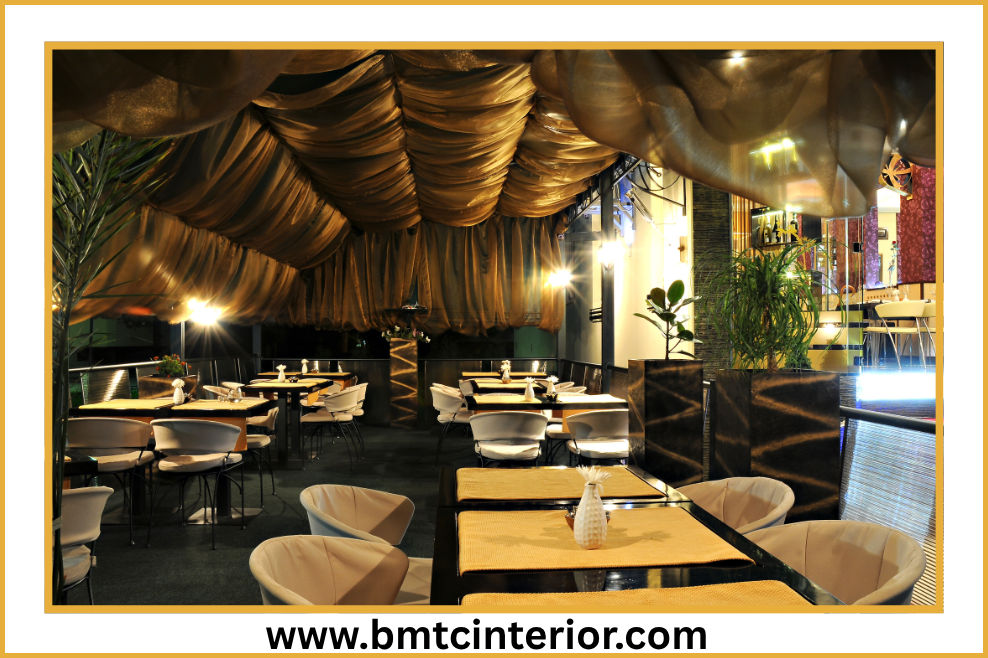
Warm ambient lighting creates welcoming, relaxed atmospheres conducive to conversation and enjoyment. Strategic accent lighting draws attention to hero dishes, architectural details, and design features. Task lighting illuminates tables sufficiently for guests to appreciate food presentation while maintaining an intimate ambiance.
Dynamic lighting systems that adapt throughout the evening offer exceptional flexibility. Brighter settings during lunch service energize the space for business dining. Warmer, dimmer tones during dinner service create intimate, romantic atmospheres that encourage lingering and higher spend.
Research demonstrates that proper lighting significantly enhances food presentation and guest satisfaction. Studies show that restaurants with thoughtfully designed lighting see higher guest ratings, longer dwell times, and increased average spending.
Material Selection for Comfort, Durability, and Aesthetics
Selecting finishes that balance aesthetics, comfort, and durability requires careful consideration. Premium restaurant design employs materials that create sophisticated environments while withstanding high foot traffic, frequent cleaning, and the demands of commercial kitchen operations.
Natural stone, timber, matte lacquers, brushed metals, and textured wallcoverings offer visual richness without visual noise. These materials add depth and dimension while remaining subtle enough to let the dining experience shine. Durable and easy-to-clean surfaces are essential for commercial restaurant environments. Compact and stylish furniture pieces maximize space while maintaining elegance.
Acoustic treatments integrated into interior design significantly enhance guest comfort by reducing noise levels. Suspended acoustic panels, fabric wallcoverings, and carpeted areas absorb sound, preventing the uncomfortable din that often plagues busy restaurants. The ideal acoustic environment creates what designers call the “pleasant murmur”—a comfortable ambient sound level that generates energy without making conversation effortful.
Color Psychology That Shapes Dining Moods
Color selections influence guest perceptions, appetites, and dining experiences more than many restaurant owners realize. Warm earth tones like terracotta, ochre, and olive green create grounded, comfortable atmospheres that encourage relaxation. Rich jewel tones add dramatic sophistication suitable for fine dining establishments. Clean neutral palettes provide versatile foundations that complement food presentations across all cuisine types.
Accent colors add personality and reinforce brand identity. Restaurant owners increasingly incorporate Omani cultural elements through color palettes—rich blues echoing the Arabian Sea, warm sandy tones reflecting desert landscapes, and vibrant spices and colors that celebrate the region’s culinary heritage. This thoughtful integration creates spaces that feel authentic and deeply connected to place.
Modern restaurant interior design emphasizes simplicity, material quality, and spatial flow rather than excessive decoration. This minimal yet warm aesthetic complements culinary excellence without competing for attention.
Blending Omani Heritage with Contemporary Design
One of the standout features of memorable restaurants in Muscat is their attention to design that blends local heritage with contemporary touches. Many restaurants incorporate elements of Omani architecture, creating a fusion that resonates with both tradition and modernity.
From fortress-inspired atmospheres that feel contemporary and elegant to spaces adorned with traditional Arabic calligraphy and intimate seating areas, Muscat’s restaurants are pushing creative boundaries. Ornate mashrabiya screens, traditional patterns reinterpreted in modern materials, and local stone finishes create authentic connections to Omani culture while maintaining contemporary appeal.
The integration of natural light through carefully positioned windows and skylights creates bright, welcoming spaces during daytime dining. Traditional Arabian elements—fountains, courtyards, and garden spaces—transform restaurants into serene retreats from the bustle of city life. This thoughtful cultural integration creates dining environments that feel authentic, personal, and deeply connected to Omani identity.
Open Kitchen Design: Transparency and Entertainment
Modern restaurant design increasingly embraces open kitchens as both operational and entertainment features. Open kitchen design transforms food preparation into a dining experience—guests watch chefs at work, appreciating the skill and artistry behind their meals. This transparency builds trust, enhances perceived value, and creates engaging experiences that differentiate restaurants from competitors.
Open kitchens require thoughtful planning to balance functionality with aesthetics. High-performance ventilation systems prevent cooking odors and smoke from reaching guest areas. Strategic lighting highlights culinary action while maintaining an intimate dining ambiance. Sound-absorbing materials around kitchen openings minimize noise transmission without compromising visual connection.
For restaurants in Muscat, open kitchens particularly suit cuisines where preparation is inherently dramatic—grilling, sushi preparation, or dessert finishing. This design approach creates memorable dining experiences that guests share on social media, driving organic marketing and attracting new visitors.
Navigating Local Regulations and Approvals
Restaurant interior design in Muscat involves navigating specific regulatory requirements that owners cannot afford to overlook. Professional design must comply with Muscat Municipality and Civil Defence regulations to create safe, compliant, and engaging dining spaces.
Key requirements include Civil Defence fire safety clearance with extinguishers, emergency exits marked, smoke detection, fire-resistant materials, evacuation plans, and staff training. Commercial kitchen areas must include automatic fire suppression systems over all cooking equipment, Class K fire extinguishers within 30 feet of cooking areas, emergency lighting and exit signs, and smoke and heat detection systems.
Additionally, restaurants require Commercial Registration from the Ministry of Commerce, Industry, and Investment Promotion, a Municipality Trade License, and a Food Safety Permit from the Ministry of Health. Restaurants must be established in suitable locations far from pollution sources, with a minimum area of not less than 60 square meters.
Experienced interior contractors understand this regulatory landscape intimately. Professional fitout contractors handle complex paperwork and permitting processes, saving restaurant owners from costly delays and compliance headaches. BMTC specializes in securing all necessary permits from Muscat Municipality and Civil Defence, allowing owners to focus on culinary operations without administrative stress.
Sustainable and Eco-Friendly Restaurant Design
Sustainability increasingly influences restaurant interior design decisions across Muscat. Environmentally conscious diners value establishments that demonstrate commitment to responsible practices. Sustainable design elements communicate corporate responsibility while often reducing operational costs through improved efficiency.
Sustainable material choices include recycled content, rapidly renewable resources like bamboo, locally sourced materials that reduce transportation impacts, and low-VOC finishes that improve indoor air quality. Energy-efficient LED lighting, smart HVAC systems, and water-saving fixtures reduce utility costs while demonstrating environmental responsibility.
Natural ventilation, when the climate permits, reduces energy consumption while connecting diners with fresh air. Indoor plants improve air quality, create visual interest, and enhance guest wellbeing. Waste reduction through thoughtful kitchen design and recycling stations supports operational efficiency while reinforcing brand values.
Restaurants embracing sustainable design increasingly attract environmentally conscious diners willing to pay premium prices for responsible establishments. This approach aligns with Oman’s Vision 2040 sustainability goals while differentiating restaurants in a competitive market.
The BMTC Advantage for Restaurant Projects in Muscat
Established in Muscat in 2008, BMTC Interior Design & Fitouts has spent over 15 years delivering exceptional commercial interior design solutions across Oman. With a proven track record of completing over 500 commercial projects across seven cities, BMTC has earned a reputation as one of Muscat’s most trusted commercial interior contractors.
Turnkey Project Delivery
Restaurant projects involve many technical layers—design, approvals, construction, branding, and engineering. BMTC simplifies this process through seamless coordination from concept design to final handover. This streamlined approach allows owners to focus on culinary excellence while professionals handle every aspect of restaurant development.
In-House Execution Capabilities
Civil works, joinery, MEP engineering, and branding services operate under unified management. This integration ensures consistent quality, cohesive project timelines, and seamless communication throughout every project phase. Custom counters, seating, shelving, feature walls, and open kitchen installations receive meticulous craftsmanship in BMTC’s fully equipped joinery facility.
Bespoke Branding and Signage Solutions
Custom signage, illuminated displays, and 3D branding elements align perfectly with restaurant architectural language. From entrance statements to interior wayfinding, every brand touchpoint reinforces identity while maintaining guest focus. BMTC’s LED display board designs are seen across leading restaurants, cafes, and hospitality venues in Muscat, Seeb, Sohar, Nizwa, Barka, Qurum, and Ruwi.
Authority Approval Management
Navigating Muscat Municipality and Civil Defence regulations presents significant challenges for restaurant developers. BMTC handles all necessary permits and compliance documentation, eliminating administrative burdens and preventing costly project delays. Every project begins with a physical site visit—whether a restaurant in Lamar Business Center, a dining venue in Al Mouj, or a hospitality space at Mall of Oman.
Comprehensive Hospitality Experience
BMTC brings extensive experience across the hospitality sector, including fine dining establishments, casual eateries, hotel restaurants, and specialty dining venues. This diverse expertise ensures practical, proven solutions for every cuisine type and service style. Understanding the unique operational requirements of different dining categories—from fast-casual to fine dining—ensures designs that perform as beautifully as they appear.
Frequently Asked Questions About Restaurant Interior Design in Muscat
Q: How does restaurant interior design impact guest experience in Muscat?
Professional restaurant design creates welcoming atmospheres that encourage longer stays, repeat visits, and positive online reviews. Strategic lighting, comfortable seating, thoughtful zoning, proper acoustics, and cultural authenticity directly influence how guests feel and behave in your space. Research shows that well-designed commercial interiors improve guest engagement and strengthen brand loyalty.
Q: What are the current restaurant design trends in Muscat for 2026?
Current trends focus on sustainable materials, natural textures, and seamless indoor-outdoor connections. Open kitchens, flexible seating arrangements, and integrated acoustic solutions are increasingly popular. Many restaurants blend Omani heritage elements with contemporary design for authentic, memorable spaces. Sensory design—engaging sight, sound, touch, and even scent—creates immersive dining experiences that differentiate establishments.
Q: How long does a restaurant fit-out take in Muscat?
Project timelines depend on restaurant size, design complexity, and material selection. Standard commercial restaurant fitouts typically require between 6 and 14 weeks. BMTC’s turnkey approach minimizes delays through coordinated in-house execution and proactive approval management.
Q: What regulations must restaurants comply with in Muscat?
Restaurants require Commercial Registration from MOCIIP, a Municipality Trade License, a Food Safety Permit from the Ministry of Health, and Civil Defence Fire Safety Clearance. Fire safety requirements include extinguishers, emergency exits, smoke detection, fire-resistant materials, evacuation plans, and staff training. Commercial kitchens need automatic fire suppression systems and Class K fire extinguishers.
Q: Is investing in professional restaurant interior design worth the cost?
Absolutely. With Oman’s hospitality sector growing rapidly, professional design differentiates your establishment from competitors. A well-designed restaurant attracts more guests, encourages longer stays, increases average spend, and builds lasting brand loyalty. Professional design also ensures regulatory compliance, preventing costly fines or closure.
Q: Why choose BMTC for restaurant interior design in Muscat?
BMTC combines 15+ years of Omani market expertise with comprehensive in-house capabilities spanning design, joinery, MEP engineering, and branding. Their turnkey project delivery, authority approval management, and unwavering commitment to quality ensure exceptional restaurant results. BMTC has successfully delivered hospitality projects across Muscat, Seeb, Sohar, Nizwa, Barka, Qurum, and Ruwi.
Transform Your Restaurant and Create Memorable Dining Experiences Today
Your restaurant environment communicates your brand’s commitment to quality, attention to detail, and respect for guests before a single dish is served. Investing in professional restaurant interior design in Muscat positions your business for sustained growth and market leadership in the Sultanate’s thriving hospitality sector.
Do not allow ordinary interiors to diminish your restaurant’s true potential. BMTC Interior Design & Fitouts possesses the expertise, resources, and local knowledge to transform your restaurant into a destination that captivates guests, encourages loyalty, and drives business growth.
Ready to create a restaurant that delivers exceptional dining experiences?
📞 Call BMTC today at +968 9723 9729
📧 Email: sales@bmtcinterior.com
📍 Visit their showroom at Lamar Business Center, Al Ghubrah Street, Muscat 111, Oman
Let BMTC create a restaurant that elevates your brand and keeps guests coming back for memorable dining experiences across Muscat’s evolving culinary landscape.