Interior design is much more than decorating a room with attractive furniture and accessories. It is the art and science of enhancing interior spaces to create environments that are functional, comfortable, safe, and visually appealing. Whether it’s a home, office, restaurant, hotel, or retail store, interior design plays a crucial role in shaping how people experience a space. Professional designers combine creativity, technical knowledge, and strategic planning to optimize layouts, improve aesthetics, and maximize usability. Today, businesses and homeowners increasingly recognize the value of professional interior design services because well-designed spaces can improve productivity, increase property value, and enhance overall well-being. Understanding what interior design is helps individuals make informed decisions when planning residential or commercial projects.
Understanding Interior Design
Interior design is the process of planning, designing, and managing interior spaces to achieve a balance between functionality and aesthetics. It involves creating environments that meet the needs of occupants while reflecting their personality, lifestyle, or brand identity.
A professional interior designer works with colors, textures, lighting, furniture, space planning, and architectural elements to create cohesive and efficient spaces. Unlike simple decoration, interior design considers structural requirements, building codes, safety standards, and user experience.
Why Is Professional Space Planning Important?
The importance of interior design extends beyond appearance. A well-designed space positively impacts how people feel, work, and interact within an environment.
Enhances Functionality
One of the primary goals of interior design is to improve functionality. Designers carefully plan layouts to maximize space utilization and ensure smooth movement throughout the area.
Improves Comfort
Comfort is a key consideration in every interior designs project. Proper furniture placement, lighting, ventilation, and ergonomics contribute to a more enjoyable environment.
Boosts Property Value
High-quality interior design services can significantly increase the value of residential and commercial properties. Attractive interiors often attract buyers, tenants, and customers.
Reflects Personality and brand Identity
For homeowners, home interiors reflect personal style and preferences. For businesses, commercial interior design strengthens brand image and customer perception.
The Main Elements of Successful Space Design
Successful interior design relies on several essential elements that work together to create harmony and balance.
Space
Space serves as the foundation of every design project. Designers evaluate room dimensions and determine how to use available areas efficiently.
Color
Colors influence mood, emotions, and perceptions. Professional interior designers select color palettes that align with the purpose of the space.
Light
Lighting significantly impacts the atmosphere and functionality of a room. Effective lighting design combines natural and artificial lighting sources.
Texture
Texture adds depth and visual interest to interiors through materials such as wood, stone, fabric, glass, and metal.
Furniture
Furniture selection is a vital aspect of interior design services. Designers choose pieces that support functionality while complementing the overall design theme.
Popular Types of Design Services
Design services encompass several specialized areas, each tailored to meet specific residential, commercial, and business requirements. From creating comfortable living environments and productive workplaces to designing luxury hospitality venues and engaging retail spaces, these specialized solutions help transform different properties into functional, attractive, and purpose-driven environments that meet the unique needs of their users.
Residential Interior Design
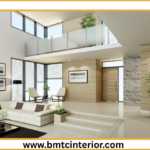
Residential design services focus on enhancing homes, apartments, villas, and private residences to create spaces that are both comfortable and visually appealing. The primary goal is to develop personalized living environments that reflect the homeowner’s lifestyle, preferences, and daily needs while maximizing functionality, comfort, and overall living experience.
Key areas include:
- Living rooms
- Bedrooms
- Kitchens
- Bathrooms
- Home offices
Commercial Interior Design
Commercial interior design involves designing spaces for businesses and organizations.
Examples include:
- Corporate offices
- Shopping malls
- Retail stores
- Banks
- Healthcare facilities
Hospitality Interior Design
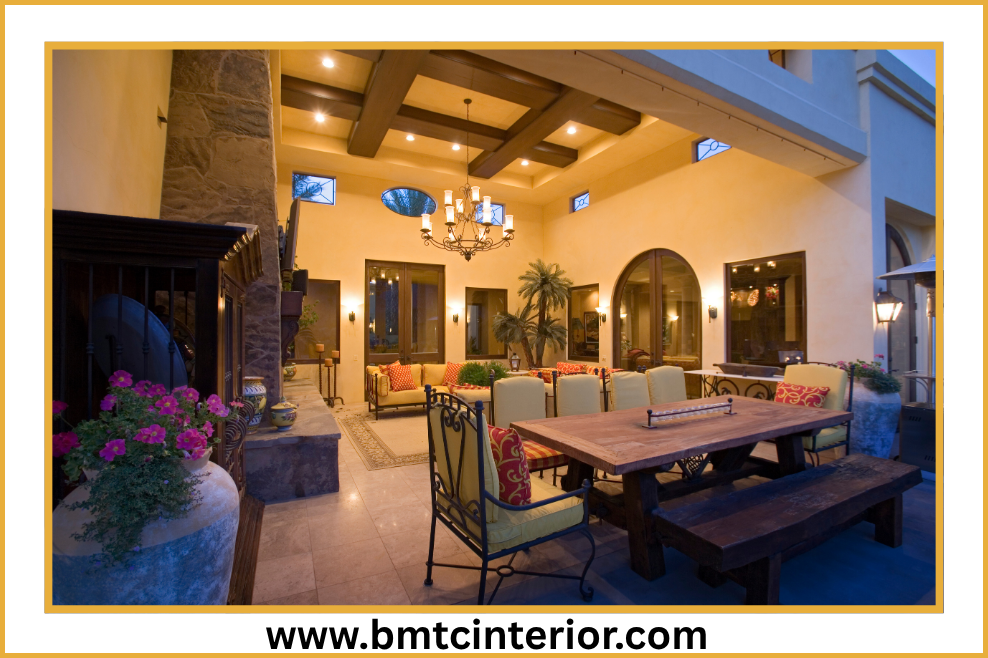
Hospitality interior design focuses on hotels, resorts, restaurants, and entertainment venues. The objective is to create memorable guest experiences.
Retail Interior Design
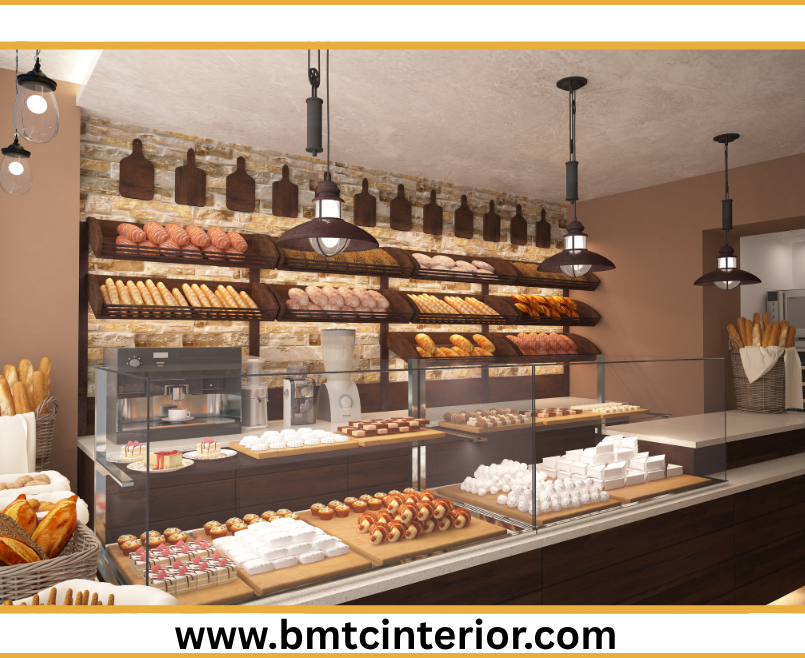
Retail interior design aims to attract customers, enhance shopping experiences, and increase sales through strategic layouts and visual merchandising.
Office Interior Design
Well-planned workspace environments improve employee productivity, encourage team collaboration, and enhance overall workplace satisfaction through thoughtful layouts, functional spaces, and innovative solutions.
The Professional Design Process
Professional interior design services typically follow a structured process to ensure successful project outcomes.
Initial Consultation
The designer meets with the client to understand goals, preferences, budget, and project requirements.
Site Evaluation
The existing space is analyzed to assess dimensions, structural features, lighting conditions, and potential design opportunities.
Concept Development
Designers create mood boards, sketches, and visual concepts that communicate the proposed design direction.
Space Planning
Detailed layouts are developed to optimize functionality and movement within the space.
Material Selection
Materials, finishes, colors, and furnishings are selected based on aesthetics, durability, and budget considerations.
Implementation
The designer coordinates with contractors, suppliers, and vendors to ensure the design is executed according to plan.
Final Styling
The project concludes with furniture installation, decoration, and finishing touches that complete the overall design vision.
What Does an Interior Designer Do?
A professional interior designer performs various tasks throughout a project.
Their responsibilities include:
- Meeting clients
- Developing design concepts
- Creating floor plans
- Selecting materials
- Choosing furniture
- Designing lighting systems
- Managing budgets
- Coordinating contractors
- Supervising installations
An experienced interior designer combines creativity with technical expertise to deliver practical and visually appealing solutions.
Benefits of Professional Design Services
Hiring professional design services offers numerous advantages for homeowners, businesses, and property developers. From improving space functionality and enhancing visual appeal to saving time and preventing costly mistakes, expert guidance helps ensure that every aspect of a project is planned and executed efficiently while delivering long-term value.
Saves Time
Designers streamline decision-making and manage project timelines effectively.
Prevents Expensive Mistakes
Professional guidance helps avoid costly errors related to layout, materials, and construction.
Access to Industry Resources
Interior designers often have access to exclusive materials, furnishings, and trusted suppliers.
Better Space Utilization
Through effective space planning, designers maximize functionality and efficiency.
Increased Property Appeal
Beautifully designed spaces attract buyers, tenants, and customers while increasing property value.
Latest Trends in Modern Space Design
The world of modern interior design continues to evolve as lifestyles and technologies change.
Sustainable Interior Design
Eco-friendly materials and energy-efficient solutions are becoming increasingly popular.
Benefits include:
- Reduced environmental impact
- Lower energy consumption
- Healthier indoor environments
Smart Home Integration
Technology is transforming home interior design through smart lighting, climate control, and automated systems.
Biophilic Design
Biophilic design emphasizes the connection between people and nature by incorporating natural materials, plants, and daylight.
Minimalist Design
Minimalist interiors focus on simplicity, functionality, and clean aesthetics.
Multifunctional Spaces
As remote work becomes more common, flexible and multifunctional spaces are gaining popularity.
Challenges in Professional Design Projects
Although rewarding, interior design presents several challenges.
Budget Constraints
Balancing design quality with financial limitations requires careful planning.
Space Limitations
Designers often need creative solutions for compact or irregular spaces.
Project Coordination
Managing contractors, suppliers, and schedules can be complex.
Client Expectations
Understanding and meeting client expectations is essential for project success.
How Well-Planned Spaces Impact Daily Life
Many people underestimate the influence of interior design on everyday experiences.
A well-designed environment can:
- Improve productivity
- Enhance mental well-being
- Reduce stress
- Encourage creativity
- Promote relaxation
- Support healthy living
From homes and offices to retail stores and hospitality venues, thoughtful design positively affects how people interact with their surroundings.
The Future of Modern Design Solutions
The future of modern space planning will continue to be shaped by sustainability, technology, and evolving lifestyle trends.
Emerging trends include:
- Artificial intelligence in design planning
- Virtual reality design presentations
- Smart buildings
- Sustainable materials
- Wellness-focused environments
As innovation continues, design services will become even more personalized and efficient.
Conclusion
Creative professions play a significant role in shaping spaces that are both functional and visually appealing. Professional designers combine creativity, technical expertise, and strategic planning to improve the way people live, work, and interact with their surroundings. Whether it’s residential projects, commercial spaces, corporate offices, or hospitality venues, these experts help transform ordinary environments into exceptional experiences. By focusing on comfort, aesthetics, functionality, and sustainability, professional design services continue to influence modern lifestyles while creating spaces that support productivity, well-being, and long-term value.